
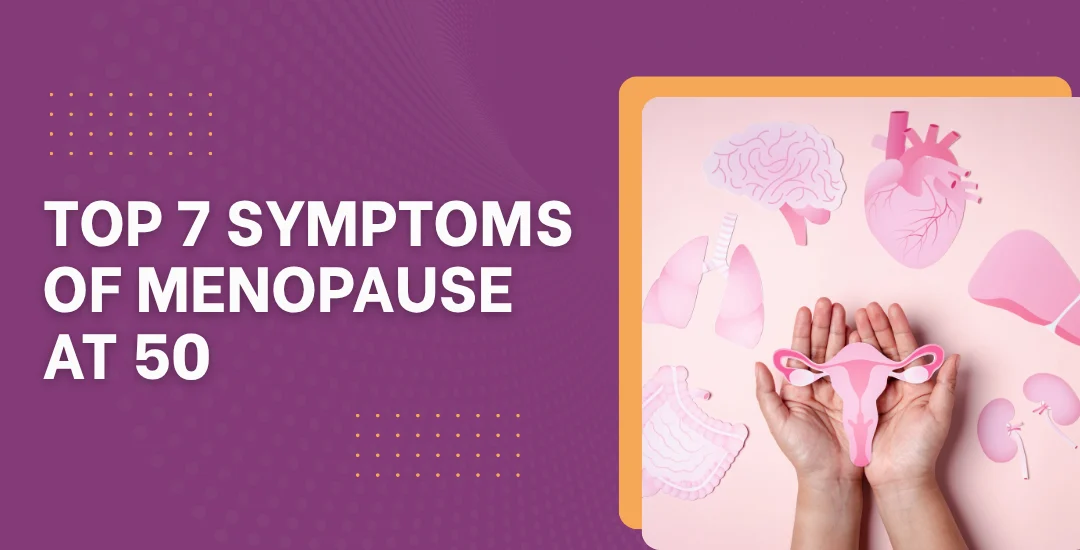
As women approach their 50s, their bodies naturally go through hormonal changes that mark the transition to menopause. While this is a normal stage of life, the symptoms can vary greatly from one woman to another. Recognizing the top 7 symptoms of menopause at 50 can help you understand what is happening in your body and when it may be time to seek medical advice. From hot flashes and irregular periods to sleep disturbances and brain fog, early awareness allows women to manage symptoms more effectively and maintain a better quality of life. With the right guidance, lifestyle changes, and appropriate menopause treatment, this transition can become much more comfortable.
Why Do Women Experience More Menopause Symptoms Around the Age of 50?
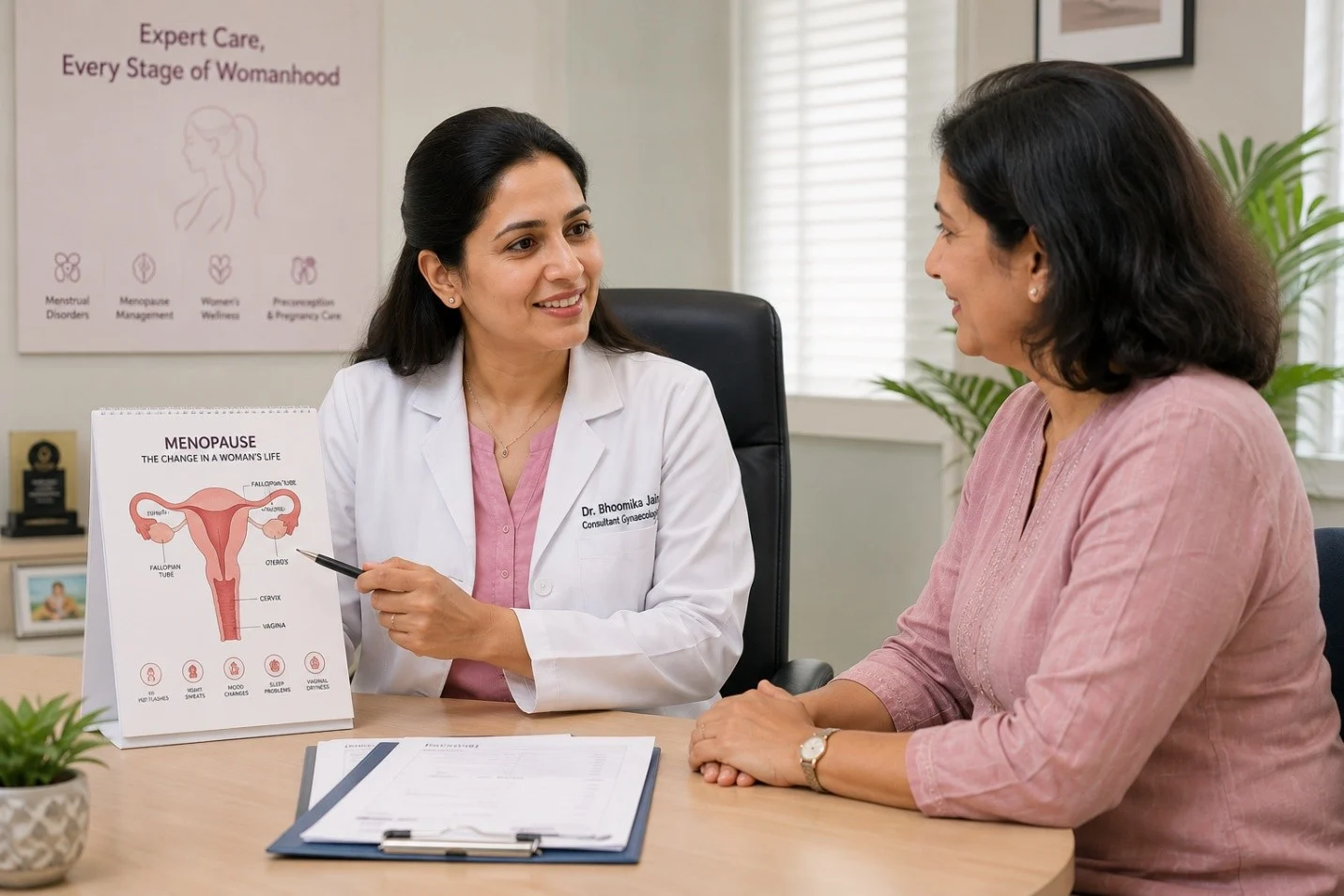
Menopause is a natural phase in every woman’s life that marks the end of her menstrual cycles. It usually occurs between the ages of 45 and 55, with many women reaching menopause around the age of 50. During this transition, the ovaries gradually produce less estrogen and progesterone, leading to several physical and emotional changes.
Many women begin noticing these changes during perimenopause, the stage leading up to menopause. Hormone levels fluctuate during this time, making symptoms such as hot flashes, irregular periods, sleep disturbances, and mood changes more noticeable.
Every woman experiences menopause differently. While some may have only mild symptoms, others may find that these changes affect their sleep, work, relationships, and overall quality of life. The good news is that understanding the top 7 symptoms of menopause at 50 allows women to seek timely medical advice and manage symptoms before they become more disruptive.
According to Dr. Bhoomika Jain, menopause should not be viewed as an illness but as a natural transition that deserves proper care and attention. With early evaluation, healthy lifestyle changes, and personalized treatment, most women can navigate menopause with greater confidence and comfort.
If symptoms begin affecting your daily routine, consulting a gynecologist can help identify the most suitable treatment options. Dr. Bhoomika Jain offers comprehensive Menopause Management and treatment for menstrual and hormonal disorders, providing personalized care based on each woman’s symptoms and health needs.
“Menopause is a natural transition, not a disease. Understanding the changes happening in your body helps you make informed decisions and seek the right care at the right time.”
— Dr. Bhoomika Jain
Top 7 Symptoms of Menopause at 50
- Hot Flashes and Night Sweats
Hot flashes are among the most common menopause symptoms at 50. You may suddenly feel intense warmth over your face, neck, and chest, followed by sweating and redness. When these episodes occur during sleep, they are called night sweats, often leading to disturbed sleep and daytime tiredness.
- Irregular Periods
One of the earliest signs of menopause is a change in your menstrual cycle. Periods may become lighter, heavier, shorter, or further apart before eventually stopping completely. Although irregular periods are expected during menopause, very heavy bleeding should always be evaluated by a gynecologist.
- Mood Swings
Changing hormone levels can influence emotional well-being. Many women notice increased irritability, anxiety, or emotional sensitivity during menopause. Some may also experience low mood, especially if poor sleep or stress is present. Talking openly with your doctor can help identify effective ways to manage these emotional changes.
- Sleep Problems
Difficulty falling asleep, waking up frequently during the night, or feeling tired despite sleeping are common during menopause. Hormonal changes, combined with night sweats and stress, often contribute to poor sleep quality, making everyday activities feel more exhausting.
- Vaginal Dryness
As estrogen levels decline, the vaginal tissues become thinner and less lubricated. This may cause dryness, itching, irritation, or discomfort during intercourse. These symptoms are common during menopause and can often be managed with appropriate treatment. Dr. Bhoomika Jain provides personalized Menopause Management to help women find effective solutions based on their symptoms.
- Weight Gain
Many women notice gradual weight gain around menopause, particularly around the abdomen. Hormonal changes, a slower metabolism, and reduced muscle mass all contribute to this. Staying physically active and maintaining a balanced diet can help support a healthy weight during this stage of life.
- Brain Fog
Forgetfulness, difficulty concentrating, and reduced mental clarity are commonly reported during menopause. While these changes can be frustrating, they are usually temporary and improve with good sleep, stress management, and healthy lifestyle habits. If memory problems become persistent or interfere with daily life, it is advisable to consult a gynecologist.
Experiencing Menopause Symptoms?
Menopause doesn’t have to affect your daily life. Early diagnosis and personalized treatment can help you manage symptoms more comfortably.
Why Do Menopause Symptoms Occur?
Menopause symptoms develop because the body naturally produces lower levels of estrogen and progesterone, the hormones responsible for regulating the menstrual cycle and supporting many body functions. As these hormone levels decline, women may experience hot flashes, mood changes, sleep disturbances, vaginal dryness, and changes in metabolism.
However, hormonal changes are only one part of the process. Several other factors can influence how severe menopause symptoms become, including:
- Natural aging
- Genetics and family history
- Lifestyle habits such as diet and physical activity
- Stress levels
- Overall physical and emotional health
Because every woman’s experience is different, treatment should be tailored to her individual symptoms and medical history. Dr. Bhoomika Jain specializes in evaluating menopause-related concerns and creating personalized care plans that may include Hormonal Disorder Treatment, lifestyle guidance, and preventive women’s healthcare.
“Every woman’s menopause journey is unique. Understanding the underlying hormonal changes allows us to create a personalized treatment plan that supports long-term health and well-being.”
— Dr. Bhoomika Jain
How Can Menopause Symptoms Be Managed?
Healthy Lifestyle Changes
Simple lifestyle changes can significantly reduce menopause symptoms. Eating a balanced diet rich in calcium and vitamin D, exercising regularly, maintaining a healthy weight, getting adequate sleep, and practicing stress-management techniques such as yoga or meditation all contribute to better physical and emotional well-being.
Hormone Replacement Therapy (HRT)
Hormone Replacement Therapy (HRT) may be recommended for women experiencing moderate to severe menopause symptoms. By replacing declining estrogen levels, HRT can help relieve hot flashes, night sweats, and vaginal dryness, and improve overall quality of life. Since HRT is not suitable for everyone, it should always be started under the guidance of a qualified gynecologist after evaluating individual health risks and benefits.
Non-Hormonal Treatment Options
Women who are not suitable candidates for HRT may benefit from non-hormonal treatment options. These may include prescription medications for hot flashes, vaginal moisturizers or lubricants for dryness, counseling to manage mood changes, and selected supplements when medically appropriate. Dr. Bhoomika Jain offers individualized treatment plans based on each woman’s symptoms, overall health, and personal preferences.
Take Charge of Your Menopause Journey
Menopause is a natural stage of life, but you don’t have to manage its symptoms alone. With the right guidance, lifestyle changes, and personalized treatment, you can continue to lead a healthy, active, and confident life.
When Should You Consult a Gynecologist?
While many menopause symptoms can be managed with healthy lifestyle changes, some may require medical attention. Consulting a gynecologist early can help rule out other health conditions and ensure you receive the right treatment for your symptoms.
You should consider scheduling an appointment if you experience:
- Severe or frequent hot flashes that affect your daily routine
- Heavy, prolonged, or irregular menstrual bleeding
- Persistent sleep disturbances or extreme fatigue
- Mood changes, anxiety, or depression that interfere with daily life
- Vaginal dryness or pain during intercourse
- Vaginal bleeding after menopause
- Symptoms that begin affecting your work, relationships, or overall quality of life
Seeking timely medical advice can help prevent complications and improve your overall well-being. Dr. Bhoomika Jain provides comprehensive evaluation and personalized menopause care to help women navigate this stage comfortably.
“Seeking medical advice early allows women to manage menopause symptoms effectively and reduce the risk of long-term health complications associated with hormonal changes.”
— Dr. Bhoomika Jain
Simple Tips to Stay Healthy During Menopause
Although menopause is a natural transition, adopting healthy habits can make this phase much easier to manage. Small lifestyle changes often have a significant impact on both physical and emotional health.
Here are some simple tips to support your well-being during menopause:
- Eat a balanced diet rich in calcium, protein, fruits, and vegetables.
- Stay physically active with regular walking, yoga, or strength training.
- Maintain a healthy weight to reduce the risk of heart disease and diabetes.
- Prioritize quality sleep by following a consistent bedtime routine.
- Practice stress-management techniques such as meditation or deep breathing.
- Avoid smoking and limit alcohol consumption.
- Schedule regular health check-ups, including bone density, breast, and gynecological screenings.
These healthy habits not only help manage menopause symptoms but also support long-term women’s health.
Conclusion
Menopause is a natural phase of life that every woman experiences differently. While menopause symptoms such as hot flashes, mood swings, sleep disturbances, vaginal dryness, weight gain, and brain fog are common, they do not have to affect your quality of life.
Recognizing the top 7 symptoms of menopause at 50 early allows women to seek timely medical guidance and explore appropriate treatment options. Lifestyle modifications, personalized medical care, and regular health check-ups can make this transition much smoother and improve overall well-being.
If menopause symptoms are interfering with your daily activities, don’t hesitate to seek professional care. Dr. Bhoomika Jain offers personalized menopause management and women’s healthcare services to help you navigate this stage with confidence and comfort.
FAQs
1. What are the first symptoms of menopause at 50?
Hot flashes, irregular periods, mood swings, and sleep disturbances are usually the earliest signs of menopause.
2. How long do menopause symptoms usually last?
Menopause symptoms can last for several years, although the duration and severity vary from one woman to another.
3. Can menopause symptoms be treated?
Yes. Lifestyle changes, hormone replacement therapy (HRT), and non-hormonal treatments can effectively manage menopause symptoms.
4. Is weight gain common during menopause?
Yes. Hormonal changes and a slower metabolism often contribute to weight gain, particularly around the abdomen.
5. When should I see a gynecologist for menopause symptoms?
Consult a gynecologist if your symptoms become severe, interfere with daily life, or you experience heavy or abnormal bleeding after menopause.