
Infertility Treatment in Marine Lines, Mumbai
Infertility is something that touches a surprising number of couples in Mumbai, but honestly, not every situation calls for intensive procedures like IVF or IUI. Dr. Bhoomika Jain, an experienced gynecologist in Marine Lines, offers infertility treatments rooted in evidence and focused on real-life reproductive health concerns—often through medication, lifestyle tweaks, and carefully chosen medical interventions. For women dealing with ovulatory issues, hormonal shifts, or structural challenges, these approaches can genuinely make a difference and sometimes resolve fertility problems without ever needing to escalate to advanced technologies.
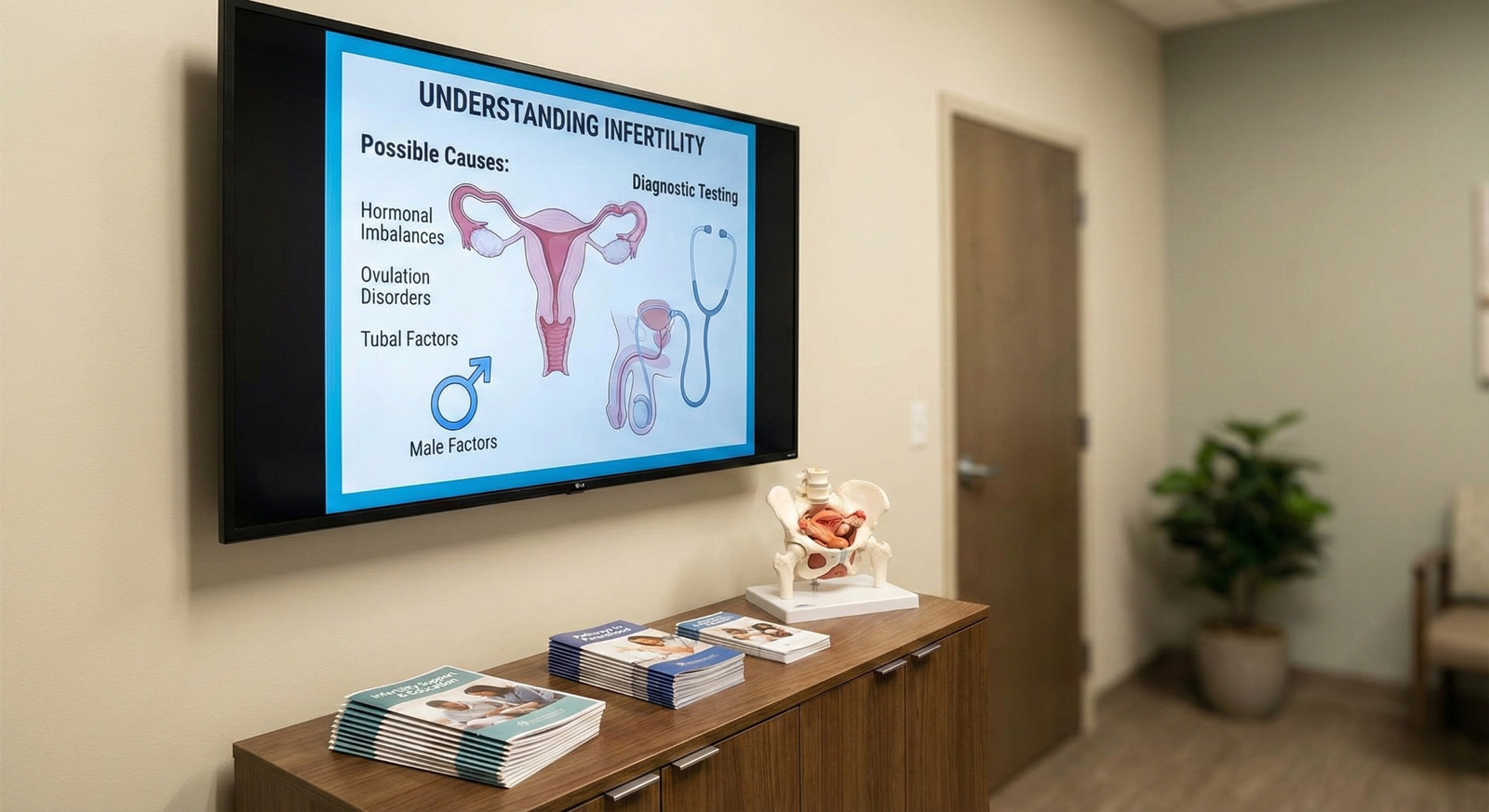
Getting to the bottom of which type of female infertility is at play is always the key first step. Conditions such as polycystic ovary syndrome (PCOS), thyroid problems, endometriosis, or erratic menstrual cycles often respond quite well to non-ART strategies—provided they’re properly diagnosed and managed.
With 8 years of clinical practice and a Fellowship in Assisted Reproductive Techniques from Seth GS Medical College & KEM Hospital, Mumbai, Dr. Bhoomika Jain blends careful diagnostic work with treatment plans tailored to the individual. She’s a strong believer in starting with the least invasive options, giving many women a real chance at pregnancy using conventional medical care before even considering more complex reproductive technologies.
Types Of Female Infertility

Ovulatory Disorders are probably the most frequent culprits. Here, the ovaries might not release eggs regularly, or sometimes not at all. PCOS and various hormonal imbalances usually fall under this umbrella.
Tubal Infertility
is another big one. If the fallopian tubes are blocked or damaged, the egg and sperm simply can’t meet, or a fertilised egg can’t reach the uterus. Previous infections, endometriosis, or pelvic inflammatory disease are often to blame.
can throw a wrench in things too. Fibroids, polyps, or uterine shape abnormalities might make implantation tough. Then there are cervical issues, like insufficient or even “hostile” mucus that blocks sperm passage.
is a tricky condition where tissue similar to the uterine lining grows outside the uterus. This can lead to inflammation, scarring, and adhesions that all interfere with conception in ways that aren’t always obvious at first.
is, unfortunately, something many women face as they get older. The number and quality of eggs naturally drop, especially after 35, making conception harder.
is perhaps the most frustrating category. Here, standard tests don’t pinpoint a clear cause, yet conception just doesn’t happen. This mysterious diagnosis actually accounts for about 15-30% of cases.
Schedule a consultation to identify the specific cause of infertility. Understanding the type early helps create a focused treatment plan and avoids unnecessary delays.
Treatment Options For Female Infertility
Ovulation Disorders are a leading cause, and treatment usually means:

Medications to induce ovulation, like clomiphene citrate or letrozole
Hormonal therapies to help regulate cycles
Managing PCOS and similar conditions through both medication and lifestyle adjustments
Hormonal Imbalances can be surprisingly manageable with the right medication. Thyroid issues, high prolactin, and progesterone deficiencies often respond well to targeted pharmaceutical care.
H3: Lifestyle Modifications shouldn’t be underestimated. Improvements here can really tip the balance, including:
Lifestyle Modifications shouldn’t be underestimated. Improvements here can really tip the balance, including:
Reaching and maintaining a healthy weight
Stress management (sometimes easier said than done, but relaxation techniques help)
Quitting smoking and cutting back on alcohol
Optimising nutrition and supplementing where needed
Dr. Bhoomika Jain takes time with each patient, working out a non-invasive treatment plan that fits their specific situation. Honestly, the earlier the intervention, the better the odds of success.
Why Choose Dr. Bhoomika Jain As Your Gynaecologist For Infertility?
Her clinical background covers roles at Sir HN Reliance Foundation Hospital, Bhatia General Hospital, and Navi Mumbai Municipal Hospital. This broad experience means she’s well-prepared to tackle a wide range of infertility challenges with confidence and skill. Some of her key strengths include:
Some of her key strengths include:
Patients appreciate her thorough approach—she takes detailed histories, conducts careful clinical exams, and recommends the right investigations. Treatment plans are never cookie-cutter; everything is adjusted to the individual’s circumstances.
At Royal Clinic in Marine Lines and Grace Medical Centre, Dr. Jain offers accessible care in South Mumbai. Her focus stays on addressing the root causes of infertility with medication, lifestyle changes, and targeted interventions where appropriate.
Throughout the process, Dr. Jain keeps communication open and transparent, so patients always know where they stand and what to expect next. Her blend of clinical expertise and practical support makes a real difference for those navigating the often challenging path to parenthood.
Book a one-on-one consultation for a clear, step-by-step evaluation of your fertility concerns. Personalized assessment ensures the right approach from the very beginning.
What Are The Success Rates Of Infertility Treatments Without Assisted Reproductive Technology?
Ovarian Stimulation with Intrauterine Insemination (OS-IUI) tends to be one of the more effective “low-tech” routes. Most people go through three or four cycles, and the chances do build with each round. Of course, things like age, how long you’ve been trying, and what’s actually causing the infertility end up making a huge difference in the outcome.
There’s no single answer, but a few things really tip the scales:
Hormonal therapies for things like gonadal dysfunction can get ovulation back on track and boost fertility for patients with hormone-related problems. These meds, as long as they’re carefully monitored, can help balance things out without needing all the bells and whistles of advanced lab work.
Then there are the basics: lifestyle tweaks and timing intercourse based on careful monitoring. Sure, these don’t usually match the success rates of more involved treatments, but for couples with milder issues, sometimes that’s all it takes.
It’s worth noting that most people need several cycles before pregnancy happens. Success rates add up over time, and it’s not unusual for couples to conceive after months of sticking with a consistent plan. Everyone’s story is a bit different, so a tailored assessment really matters if you want a realistic sense of what to expect.
Consult with an experienced gynaecologist to explore natural and medical fertility treatment options. Early guidance can improve outcomes without immediately needing assisted procedures.
Patient Reviews




Frequently Asked Questions:
What are the common causes of female infertility?
Can infertility be treated without assisted reproductive technology?
They can be caused by bacteria, yeast, parasites, hormonal changes, antibiotic use, or poor hygiene habits.
How is female infertility diagnosed?
Does PCOS always lead to infertility?
What treatment options are available for female infertility?
Ovulation-inducing medicines, hormonal therapy, lifestyle modification, and minimally invasive procedures.