
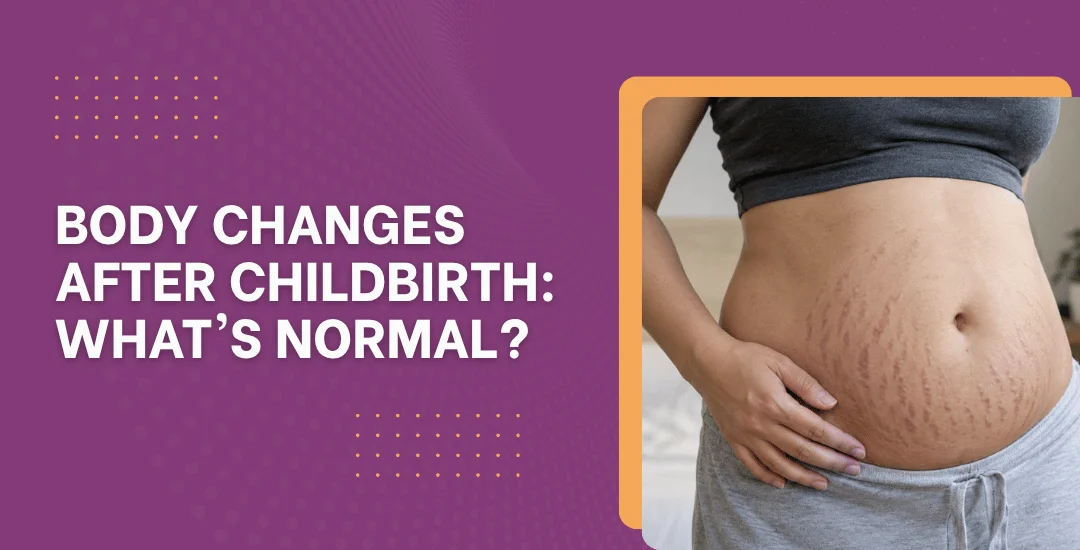
Recovering from pregnancy demands a lot of the body, physically and hormonally both, and “normal” isn’t the same for any two women. Some are back on their feet within weeks. For others it stretches into months, and neither is a cause for concern. The body changes after childbirth cover a lot of ground, everything from bleeding and aching muscles to hormones in flux and sleep turned upside down. Nearly all of it is simply your body doing what it’s built to do while it heals. What settles the nerves is knowing which of these changes are expected, and which few are not.
According to Dr. Bhoomika Jain, one of the leading gynecologist in Marine Lines, “New mothers often worry that something’s wrong when their body is simply recovering. Most postnatal changes are normal and settle on their own. The key is knowing the few signs that genuinely need attention.”
What Body Changes Are Normal After Childbirth?
After delivery your body goes through a whole spread of changes, and having a sense of them beforehand takes most of the worry away.
- Vaginal bleeding: For several weeks you’ll have postpartum bleeding, called lochia, as the uterus clears its lining and works its way back to normal size. Nothing unusual there.
- Breast changes: Once the milk arrives, fullness, a little leaking, and some tenderness come with it. All of that eases as feeding finds its pattern.
- Hormonal shifts: After birth, hormone levels fall fast, and that’s what lies behind the mood swings, the night sweats, and the hair shedding. Most of it fades over the months that follow.
- Abdominal softness: For a while the belly stays soft and stretched as skin and muscle slowly recover. Expect that to take time, not a matter of days.
Knowing what’s normal and what isn’t is exactly what proper pregnancy and postnatal care is there to guide.
When Do Body Changes After Delivery Need Attention?
Most changes right themselves. A handful, though, are worth a doctor’s eyes.
| Sign | Why It Matters |
| Heavy bleeding with clots | Possible postpartum haemorrhage |
| Fever or foul discharge | Possible infection |
| Persistent low mood | Possible postpartum depression |
| Severe or lasting pain | Needs medical review |
- Heavy bleeding: Soaking through a pad in an hour, or passing large clots weeks down the line, isn’t something to sit on. Get it checked.
- Signs of infection: A fever, the chills, or discharge that smells off usually points to an infection, and that needs seeing to quickly.
- Lasting low mood: When sadness holds on past a fortnight, or the weight of it starts derailing your day, that can be postpartum depression rather than ordinary baby blues.
- Severe pain: Any pain that keeps building instead of settling, in the belly, the back, or the legs, is worth having properly examined.
Hormones swing sharply in the months after birth, and for some women that stirs up existing conditions, so if yours were already affected, our piece on PCOD cure and management is worth a read.
Why Choose Dr. Bhoomika Jain?
Dr. Bhoomika Jain has spent more than nine years across obstetrics, gynecology, and reproductive health, and holds a Fellowship in Assisted Reproductive Techniques from KEM Hospital, Mumbai. For her, the weeks after birth are a chapter of care in their own right, not a footnote once the baby’s here, so physical healing and how you’re coping emotionally both get attention. Ask her anything and you’ll get a straight answer, and whatever’s worrying you gets a proper look rather than a quick “that’s just normal.”
Unsure whether what you’re feeling after delivery is normal? A postnatal check clears up the guesswork.
FAQs
How long does postpartum bleeding last?
Up to six weeks as a rule, tapering off gradually. Should it turn heavier, or start up again after it had settled, get it checked.
When will my belly go back to normal?
There’s no single timeline. Skin and muscle commonly need several months to recover, and gently working back into activity helps things along.
Is hair loss after childbirth normal?
Yes. That shedding a few months on is hormonal and very common, and the regrowth usually comes back within the year.
When should I worry about my mood after birth?
Once low mood carries on past two weeks, or begins to affect daily life, have a word with your doctor. It may well be postpartum depression.
References:
Disclaimer: This blog is for general educational purposes only and is not a substitute for professional medical advice; please consult your doctor for personal care.