
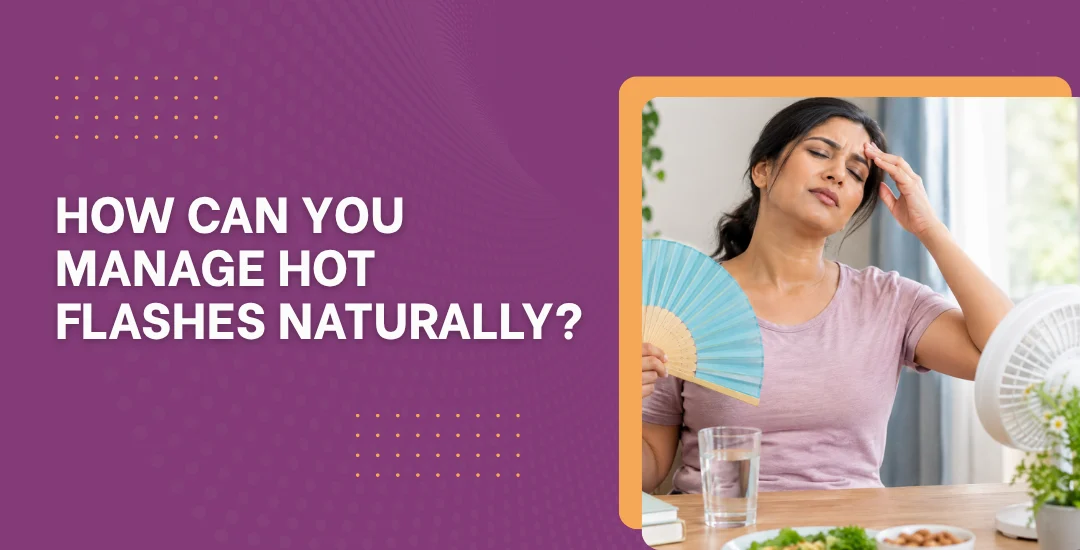
Quite a few women keep mild to moderate hot flashes in check with no medication whatsoever. It really comes down to two things, helping your body cool off and keeping your hormones on a steadier keel. Rework your meals a little, choose lighter clothes, ease up the pace of your day, and those heat surges begin to quieten. The odd flash here and there responds nicely. Heavier, non-stop ones will need more than this. Either way, the simple changes carry most women further than they’d guess.
According to Dr. Bhoomika Jain, one of the leading gynecologist in Marine Lines, “Hot flashes come from the brain misreading body temperature as estrogen falls. Much of what triggers them, heat, stress, certain foods, is avoidable, which is why lifestyle measures help a great many women before anything stronger is needed.”
What Natural Remedies Help Ease Hot Flashes?
Put a few steady habits in place and the usual triggers start to lose their hold.
- Dress in layers: Go for breathable fabrics that slip off in a hurry. The moment a flash hits, off comes a layer, and you’re at ease again.
- Identify food triggers: Spice, caffeine, alcohol, the familiar troublemakers. Work out which ones get to you, cut back, and your flashes spread further apart.
- Stay cool and hydrated: Your body’s already putting in effort to manage its own heat. So meet it halfway, a cooler room, a fan running overnight, water sipped through the day.
- Mind-body techniques: Slow, paced breathing and a bit of yoga bring the nervous system down a notch. There’s research behind both for fewer flashes.
But if the flashes start to mount up or get in the way of your day, booking a proper menopause treatment assessment makes sense.
Which Diet and Supplements Support Hot Flash Relief?
How often flashes turn up owes more to your diet than most women would imagine.
- Phytoestrogen foods: Soy, flaxseed, chickpeas. The plant compounds in them act a little like estrogen, and now and then that’s all it takes to soften a flash.
- Vitamin E: Of all the supplements studied, this one has the sturdiest evidence behind it. The benefit is on the gentle side, so have a word with your doctor before you start.
- Cooling fruits: Watermelon, oranges, berries. All that water content cools and hydrates in one go, pulling some of the heat from an episode.
- Trimming triggers: Set aside caffeine and alcohol and two of the worst offenders drop away. Daytime flashes calm down, and the night sweats tend to follow.
And since the same dip in estrogen stirs up dryness and irritation too, the earlier piece on vaginal itching with no discharge pairs nicely with this one.
Do Hot Flashes Eventually Go Away on Their Own?
They do fade for most women. What nobody quite prepares you for is how long it can take.
- Typical duration: For some it’s a matter of months, for others a few years. Plenty of women notice them lift once the body eases into post-menopause.
- Individual variation: One woman has a short, sharp spell of them. Another lives with gentler ones for years. Both sit squarely within normal.
- What natural measures offer: No quick cure, true enough. What these habits do is make the stretch you spend with flashes much more manageable.
- When to seek review: Harsh flashes, sleep shredded night after night, a day thrown off entirely. Better to have a doctor review it than grit your teeth through it.
Noticed your desire shift since menopause? A simple hormonal assessment is a sensible starting point.
FAQs
How do I get my hot flashes to stop?
No instant off button, sadly. That said, keep clear of your triggers, stay cool, and breathe slowly through an episode, and they’ll come around less often and land softer.
What vitamin helps with hot flashes?
Vitamin E holds the best evidence for gentle relief. It’s a small effect, so have a word with your doctor before you begin.
Do hot flashes go away on their own?
For the most part, yes. They usually ease across a few months to a few years as the body adapts, though the timing genuinely varies person to person.
What foods help cool hot flashes?
Turn to water-rich fruit such as watermelon and oranges to help cool you down. Soy and flaxseed, both phytoestrogens, can take the edge off episodes.
References:
Disclaimer: This blog is for general educational purposes only and is not a substitute for professional medical advice; please consult your doctor for personal care.