
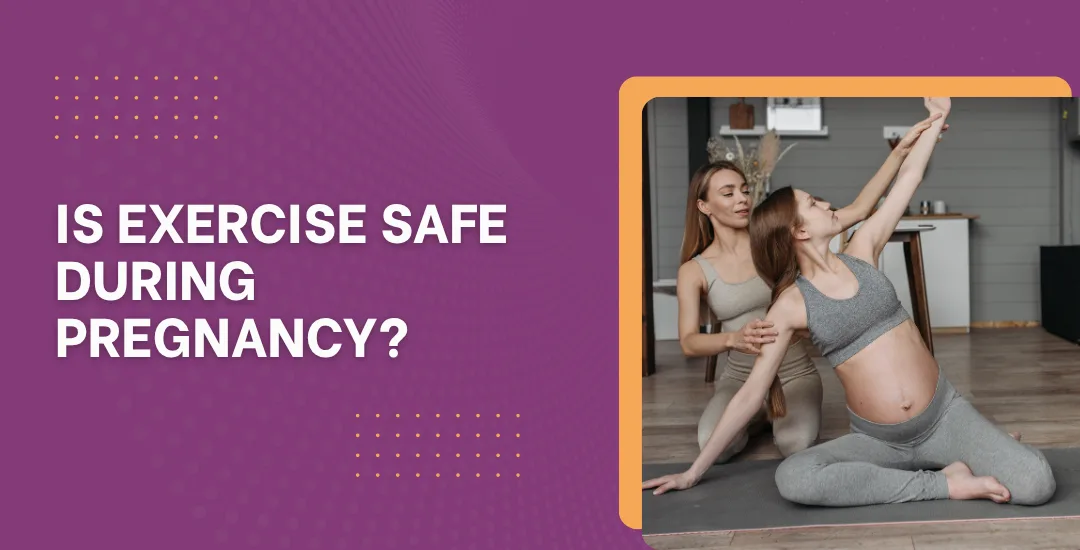
For a healthy pregnancy, staying active is advised, not just allowed. Women who keep moving tend to sleep better and report less back pain. Studies also link activity with a lower chance of gestational diabetes and cesarean birth. Interestingly, many women fear overdoing it, though sitting still is the more common concern. But the type of activity matters. Joints loosen, balance shifts, and the heart works harder even at rest. So safe workouts while pregnant need a little planning. Moderate, steady, and cleared by your doctor.
According to Dr. Bhoomika Jain, one of the leading gynecologist in Marine Lines, “I tell most patients the same thing: keep moving, keep it gentle, and check with us before starting anything new. If there’s a medical reason to rest, we’ll go over it at your visit.”
What Kind of Exercise Is Safe in Pregnancy?
Low-impact activity suits most women, with about 150 minutes a week as the usual goal.
- Brisk walking: Start here if you’re unsure. A 30-minute walk after dinner is plenty, and comfortable shoes are all you need.
- Swimming and water aerobics: The water supports your weight, so aching hips and knees get a rest. A pool also keeps you cooler.
- Prenatal yoga: Gentle stretching eases stiff muscles and teaches the breath control you’ll want in labour. Avoid deep twists and lying flat on your back for long.
- Pelvic floor and light strength work: Kegels and light weights strengthen the muscles used in labour and recovery. Keep the weights low and don’t hold your breath.
Dr. Jain’s pregnancy care also covers what to do, and what to skip, at each stage.
What Should You Skip, and When Should You Stop?
Some activities carry real risk, and a few medical conditions mean you shouldn’t exercise at all.
| Trimester | What to Focus On | What to Watch |
| First | Walking, gentle stretching, pelvic floor work | Nausea, tiredness, overheating |
| Second | Swimming, prenatal yoga, light strength work | Shifting balance, lying flat on your back |
| Third | Short walks, water exercise, breathing practice | Back pain, pelvic pressure, breathlessness |
- Activities to avoid: Skip contact sports, horse riding, skiing and scuba diving. Each carries a risk of falls or a knock to the abdomen. Hot yoga and heavy lifting also stay off the list early in pregnancy.
- Conditions that rule it out: Exercise should wait if you have placenta previa, a weak cervix, preeclampsia, heavy bleeding or ruptured membranes. A risk of preterm labour counts too. Your doctor will say if any apply.
- Signs to stop: Stop at once if you notice bleeding, dizziness, chest pain or leaking fluid. Painful contractions or a swollen calf count too. Then call your doctor.
- Overheating: Hard effort in a warm room is a poor mix. Can’t finish a sentence mid-workout? Ease off and sip some water.
Managing blood sugar as well? This earlier post on gestational diabetes covers how everyday habits help.
Why Choose Dr. Bhoomika Jain?
Dr. Bhoomika Jain is an obstetrician and gynecologist who holds an MBBS, an MS and a DNB in Obstetrics and Gynecology, along with a Fellowship in Assisted Reproductive Techniques from KEM Hospital, Mumbai. She has more than nine years of experience and sees patients at Royal Clinic in Marine Lines and Grace Medical Centre in Churchgate. Before suggesting any routine for exercise during pregnancy, she goes through your history and scans. If rest is the safer option, she’ll say so directly. If you’re cleared, you get a clear routine and a clear limit.
Want to know which workouts suit your trimester?
FAQs
At what month can a pregnant woman do exercise?
Any month your doctor approves. Starting early and staying consistent helps more than a particular month, including for normal delivery.
Is exercise safe during the first trimester?
Mostly, yes. Stick to walking and light stretching, and leave hot yoga and heavy lifting for after delivery.
Is exercise safe in the second and third trimester of pregnancy?
Yes. Energy picks up in the second trimester; by the third, sessions get shorter. Don’t lie flat on your back.
Can exercise affect a baby in the womb?
Moderate activity in an uncomplicated pregnancy doesn’t harm the baby. Overheating and fall-prone activities are the real concerns.
References:
Disclaimer: This blog is for general educational purposes only and is not a substitute for professional medical advice; please consult your doctor for personal care.