
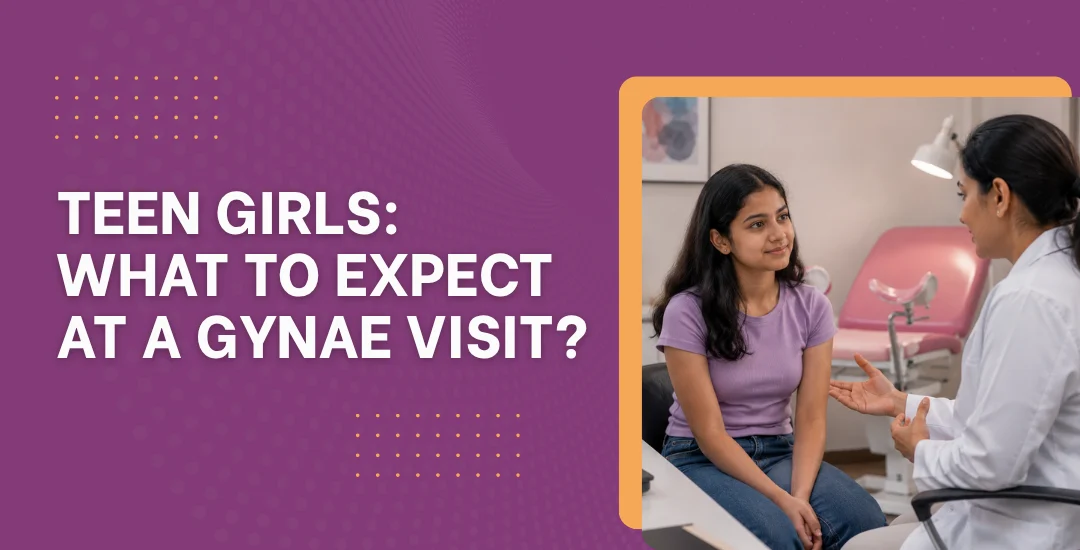
A first teenage gynecologist visit usually involves just a friendly conversation, and no internal exam is required for most girls. Doctors generally recommend scheduling this initial wellness visit somewhere between ages 13 and 15, primarily to address questions and help teens understand normal body changes before any concern becomes urgent.
According to Dr. Bhoomika Jain, gynecologist in Marine Lines, Mumbai: “Parents assume this first visit means an exam, and that scares both the teen and the parent honestly. It really doesn’t have to. Most of the time it’s just talking, building comfort, answering questions a teenager might not feel okay asking anyone else.”
What Actually Happens at the First Visit?
It starts with a conversation, not an exam. The doctor asks about periods, general health, and any concerns. Most of the visit is talking, not a physical examination.
A general physical check might happen, nothing internal. This usually means height, weight, and sometimes blood pressure, similar to a regular pediatric checkup.
Questions get answered honestly. Periods, cramps, what’s normal versus what’s not, hygiene, whatever’s on a teen’s mind. This is the actual point of the visit.
Parents can stay or step out, depending on preference. Many doctors offer privacy for part of the conversation so a teen feels comfortable asking things she might not say in front of a parent.
For a broader overview of how adolescent gynecological concerns are assessed and managed, refer to the pregnancy care and women’s health page.
When an Exam Actually Becomes Necessary?
Most teens never need an internal exam at this age. It’s reserved for specific situations, not a routine part of a first visit.
Persistent pelvic pain or unusual symptoms. If something’s genuinely bothering a teen physically, beyond typical period cramps, an exam might get discussed then.
Once a teen becomes sexually active. This is usually when exams and related screenings start entering the conversation, not before.
Severe menstrual irregularities that don’t improve with basic guidance sometimes call for closer evaluation too, though this is decided case by case.
This earlier post on menstrual disorder symptoms covers what counts as irregular enough to flag.
Why Choose Dr. Bhoomika Jain?
Dr. Bhoomika Jain has spent over nine years focused on obstetrics, gynecology, and reproductive health across all life stages, including adolescence. Her Fellowship in Assisted Reproductive Techniques from KEM Hospital, Mumbai, shapes her approach to hormonal health from the ground up. She doesn’t treat a teen’s irregular periods or cycle concerns as minor complaints to be dismissed at a first visit. Each one gets listened to properly, traced back to whether it reflects normal development or something worth monitoring. Visits are paced around the teenager’s comfort, not rushed, and parents receive clear guidance on what is typical at this age and what warrants a closer look. Patients get a doctor who makes the first visit feel like a conversation, not a clinical procedure.
Adolescent gynecological concerns look different at every age and stage, so a fixed checklist doesn’t serve most teens well. Follow-ups are structured around how symptoms evolve over time, recalibrating as cycles establish themselves and new questions come up. For teens who have been dealing with persistent irregularities or discomfort, a proper assessment starts early rather than waiting until the pattern becomes harder to manage.
Have questions before scheduling a first gynae visit?
FAQs
Does my daughter need a pelvic exam at her first visit?
No, not usually. Most first visits are conversation-based with a general physical check, no internal exam involved.
What age should a girl have her first gynecologist visit?
Somewhere between 13 and 15 is commonly recommended, though it can also happen earlier if there’s a specific concern.
Can my daughter go alone if she wants privacy?
Often, yes, at least for part of the visit. Many doctors offer this so teens feel comfortable being fully honest.
Is this visit only necessary if something's wrong?
No. It’s meant to be preventive and educational, a chance to build a relationship with a doctor before any issue comes up.
What should we bring to the first appointment?
A period tracking history if available, and a list of any questions or concerns worth raising, medical or otherwise.
References:
Disclaimer: This blog is for general educational purposes only and is not a substitute for professional medical advice; please consult your doctor for personal care.