
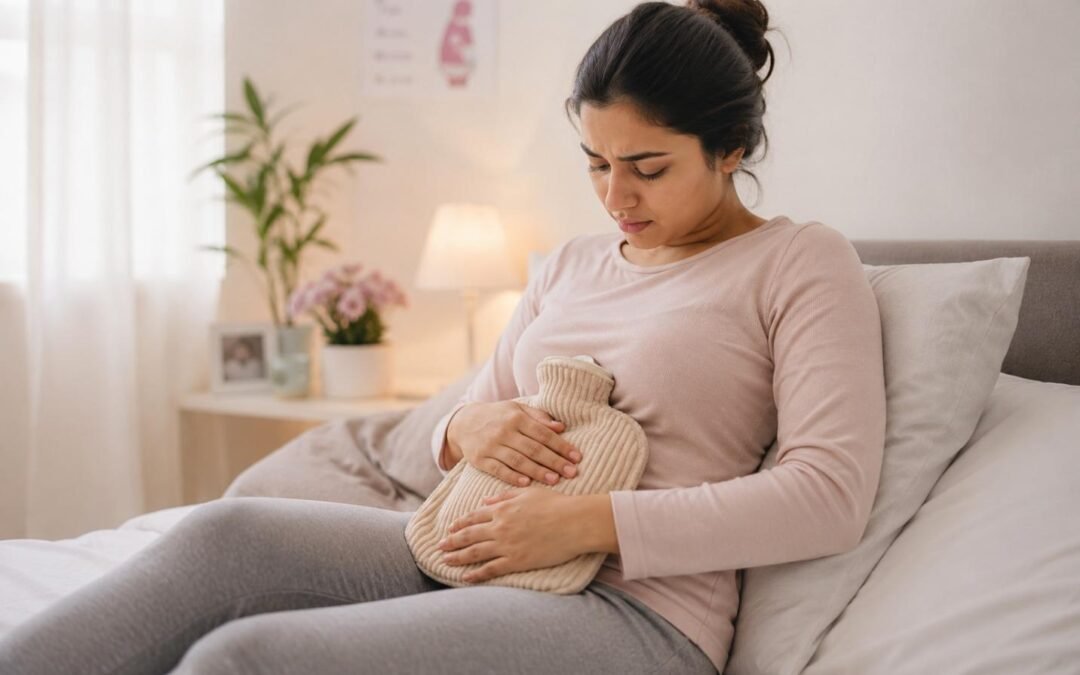
Menstrual cramps after pregnancy are a common concern among women as their menstrual cycles gradually return after childbirth. While some women find that their periods become lighter and less painful, others may notice stronger cramps or a different pattern of discomfort than they experienced before pregnancy. These changes can feel unexpected, especially when there are already many physical and emotional adjustments taking place during the postpartum period.
In clinical practice, Dr. Bhoomika Jain frequently sees women seeking reassurance about these changes and whether they are a normal part of postpartum recovery.
The body goes through significant hormonal and structural changes after delivery. As a result, the menstrual cycle may take some time to settle into a regular pattern. Women consulting a gynecologist in Marine Lines for postpartum care often have questions about changing menstrual symptoms, including differences in cramp intensity. Understanding why these changes happen can help women feel more confident about their recovery and recognize when it may be time to seek medical advice.
“After pregnancy, hormonal fluctuations and uterine healing can temporarily change the pattern and intensity of menstrual cramps. This is generally normal, but monitoring symptoms is important.”
— Dr. Bhoomika Jain, Gynecologist
Understanding Menstrual Cramps After Pregnancy
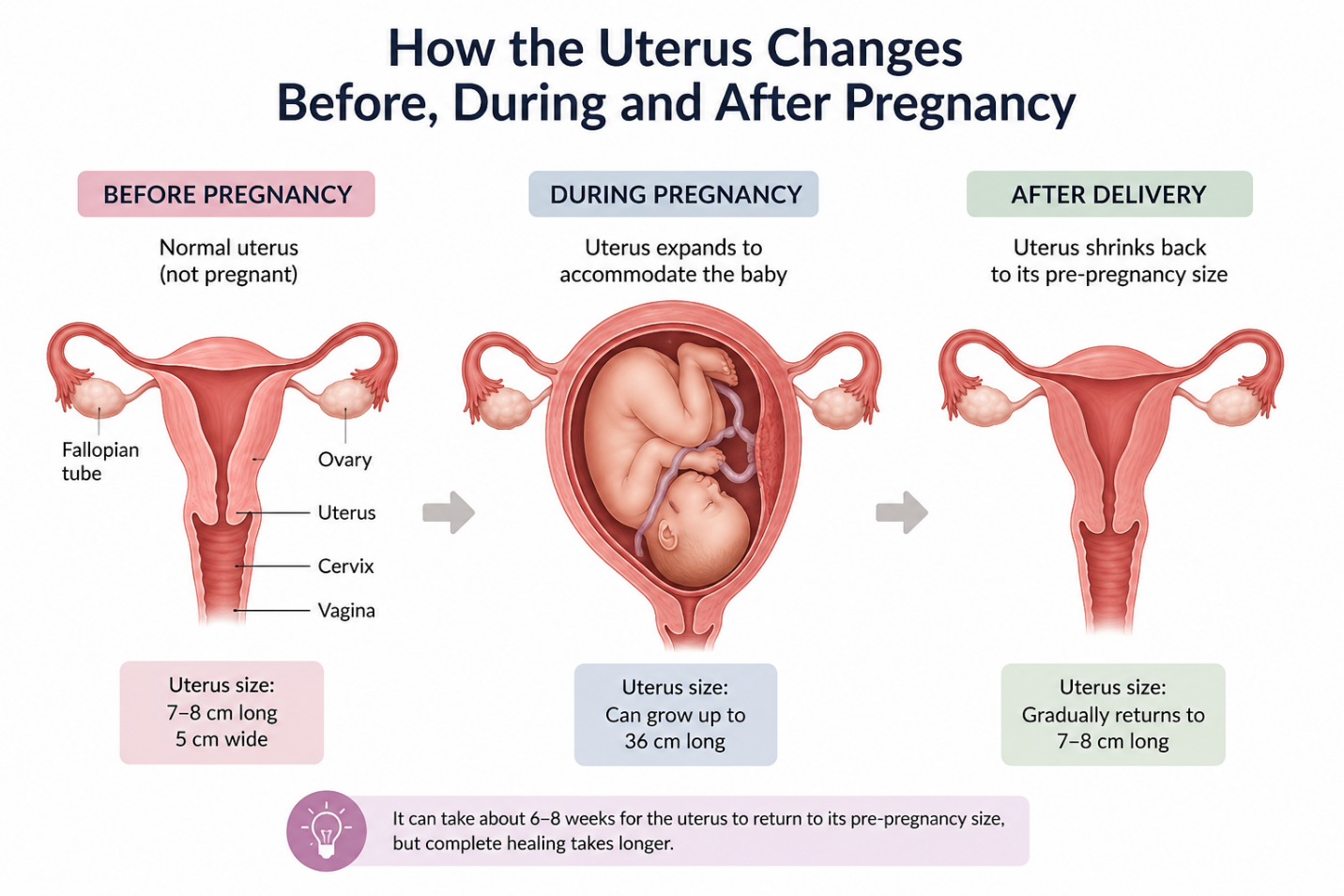
Pregnancy places unique demands on the body, and recovery does not end once the baby is born. During the weeks and months following childbirth, hormone levels begin to shift, the uterus gradually returns to its original size, and the reproductive system adjusts to a new normal.
Because of these changes, the first few menstrual cycles after pregnancy may feel different. Some women experience mild cramping, while others notice more intense discomfort than they had before becoming pregnant. In many cases, these differences are temporary and simply reflect the body’s natural healing process.
Breastfeeding can also influence menstrual patterns. Women who breastfeed may notice delayed periods or changes in the way cramps feel when menstruation eventually returns. Every postpartum journey is different, which is why comparing experiences with others is not always helpful.
Why Do Menstrual Cramps Change After Pregnancy?
Several factors contribute to changes in menstrual cramps after pregnancy. Some of the most common reasons include:
- Hormonal shifts involving estrogen and progesterone: After childbirth, hormone levels begin to adjust, which can influence the intensity of uterine contractions during menstruation.
- Uterine recovery and involution: The uterus gradually shrinks back to its pre-pregnancy size, and this recovery process may affect menstrual cramp patterns during the first few cycles.
- Changes in uterine muscle sensitivity: The uterine muscles may respond differently after pregnancy, causing cramps to feel stronger, milder, or simply different than before.
- Breastfeeding-related prolactin production: Higher prolactin levels during breastfeeding can delay ovulation and alter menstrual symptoms, including cramp intensity.
- Healing of pelvic and reproductive tissues: The pelvic floor, cervix, and surrounding reproductive tissues continue to heal after delivery, which may contribute to temporary changes in menstrual discomfort.
For many women, these changes gradually improve as the body continues its postpartum recovery and hormonal balance is restored.
If your periods feel significantly different after pregnancy or the discomfort seems unusual, consider seeking professional guidance to better understand what your body is experiencing.
Are Post-Pregnancy Menstrual Cramps Normal?
In most situations, yes. Mild to moderate changes in menstrual cramps after pregnancy are considered a normal part of postpartum recovery.
The first few periods may arrive irregularly and may not resemble the cycles experienced before pregnancy. Some women report less pain because the cervix may remain slightly more open after childbirth, allowing menstrual flow to pass more easily. Others experience stronger cramps because of ongoing hormonal changes and uterine recovery.
What matters most is whether symptoms gradually improve. Occasional discomfort that becomes more manageable over time is generally reassuring.
However, severe pain that continues month after month should not be dismissed as a normal postpartum symptom.
When Should You Be Concerned?
Although some degree of cramping is expected, certain symptoms deserve medical attention.
You should consider speaking with a healthcare professional if you experience:
- Severe or worsening menstrual cramps
- Heavy bleeding that feels unusual
- Menstrual cycles that remain highly irregular for several months
- Pain that interferes with daily activities
- Fever, pelvic pain, or abnormal vaginal discharge
These symptoms may indicate conditions that require further evaluation. Sometimes, underlying issues such as fibroids, endometriosis, retained tissue, or infection can contribute to persistent pain.
Seeking help early often makes diagnosis and treatment easier.
Persistent menstrual pain should not be ignored. Understanding the cause can provide reassurance and help prevent potential complications.
How to Manage Menstrual Cramps After Pregnancy
Fortunately, many women find relief through simple self-care measures.
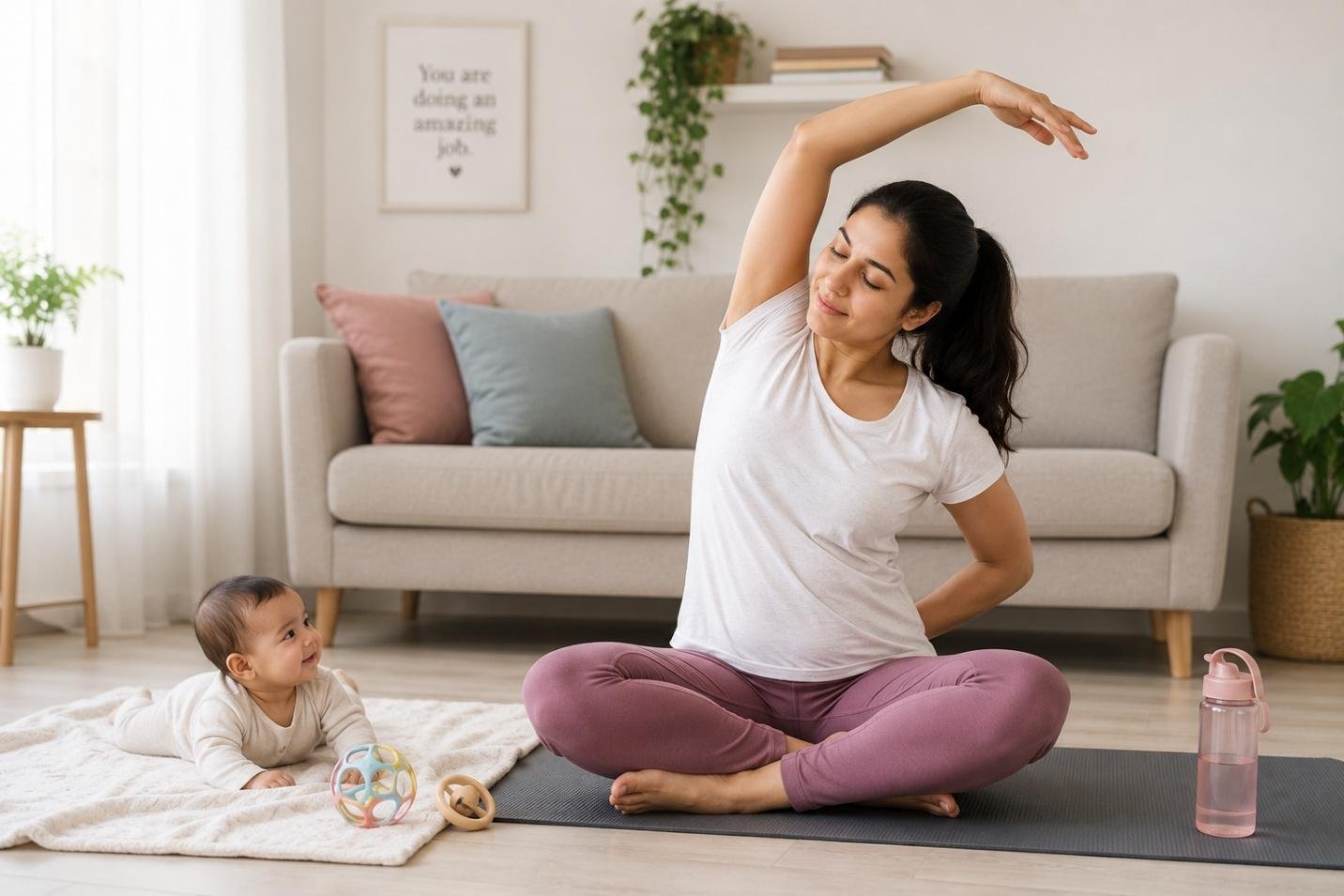
Applying a warm heating pad to the lower abdomen can help relax uterine muscles and reduce discomfort. Gentle movement, such as walking or postpartum yoga, may improve circulation and ease cramping.
Other helpful strategies include:
- Staying well hydrated
- Eating foods rich in iron, magnesium, and omega-3 fatty acids
- Prioritizing rest and recovery
- Managing stress levels
- Using medications only under medical guidance
These measures support overall recovery and can help make the transition back to regular menstrual cycles more comfortable.
💬 Doctor Clinical Advice
“If menstrual cramps persist beyond a few cycles or interfere with daily life, it is important to rule out underlying conditions such as fibroids, endometriosis, or infection.”
— Dr. Bhoomika Jain
Will Periods Return to Normal After Pregnancy?
For most women, menstrual cycles gradually stabilize within a few months after delivery. However, there is no universal timeline.
Breastfeeding, sleep quality, stress levels, nutrition, and overall health all influence how quickly the body returns to its usual rhythm. Some women notice normal cycles within a few months, while others may take longer.
Patience is important during this stage. The body has undergone significant changes, and recovery continues well beyond the immediate postpartum period.
Most importantly, every woman’s experience is unique. What feels normal for one person may not be the same for another.
Taking charge of your postpartum health starts with paying attention to your body’s signals. If something feels unusual, professional advice can provide clarity and peace of mind.
FAQs – Menstrual Cramps After Pregnancy
Q1: Are menstrual cramps worse after pregnancy?
They can be either lighter or stronger depending on hormonal recovery, uterine healing, and individual body changes.
Q2: How long do postpartum period changes last?
Many women notice improvement within three to six months, although recovery timelines can vary.
Q3: Does breastfeeding affect menstrual cramps?
Yes. Breastfeeding hormones can delay the return of periods and may influence the intensity of menstrual cramps.
Q4: When should I worry about period pain after delivery?
You should seek medical advice if pain is severe, persistent, associated with heavy bleeding, fever, or abnormal discharge.
Q5: Can periods return completely to normal?
Yes. In most cases, menstrual cycles eventually return to a pattern similar to what was experienced before pregnancy.