
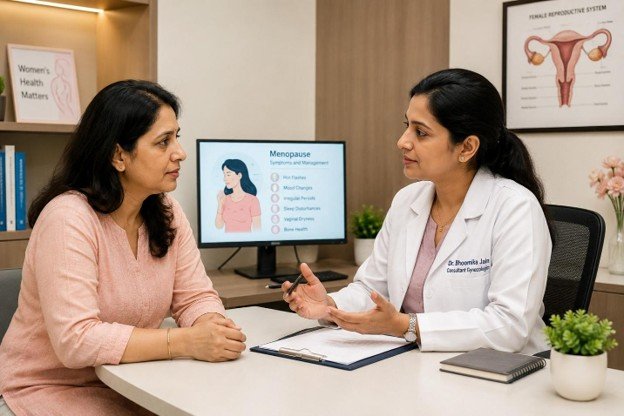
Many women expect menopause to occur closer to the age of 50. So when periods become irregular, or symptoms such as hot flashes and mood changes begin at 42, it can be confusing and sometimes worrying. Questions about fertility, hormonal health, and future well-being often arise during this phase.
In her clinical practice, Dr. Bhoomika Jain frequently meets women who are unsure whether these changes are normal or whether they require medical attention. Women consulting a Gynecologist in Marine Lines often seek answers about early menopausal symptoms, long-term health risks, and ways to manage this transition comfortably.
“Menopause at 42 may feel earlier than expected, but understanding the changes taking place in your body can help you approach this phase with greater confidence and less anxiety.”
— Dr. Bhoomika Jain
Is Menopause at 42 Considered Early?
The average age of menopause is around 51 years. When menopause occurs at 42, it is considered earlier than average, though it is not uncommon.
Some women naturally reach menopause sooner due to genetic factors, while others may experience it because of medical conditions or lifestyle influences. Early menopause can also lead to hormonal changes that affect vaginal health, making women more susceptible to dryness, irritation, and recurrent infections. In such cases, timely consultation and appropriate vaginal infection treatment may help improve comfort and overall well-being.
Common factors associated with early menopause include:
- Family history of early menopause
- Autoimmune disorders
- Smoking
- Previous cancer treatments
- Surgical removal of the ovaries
- Natural decline in ovarian function
Understanding the cause can help guide future health decisions, treatment planning, and long-term health management.
Signs and Symptoms of Menopause at 42
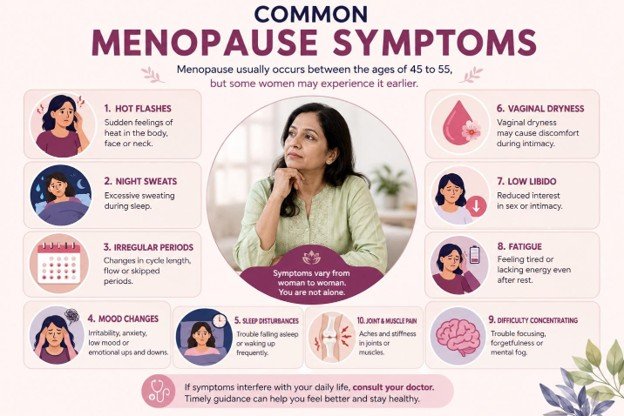
One of the most overlooked aspects of menopause awareness is that symptoms extend far beyond hot flashes, affecting sleep, mood, metabolism, intimacy, and overall well-being.
Symptoms may include:
- Irregular or missed periods
- Hot flashes
- Night sweats
- Mood swings
- Sleep disturbances
- Fatigue
- Vaginal dryness
- Reduced libido
- Difficulty concentrating
Symptoms often develop gradually and may vary from one woman to another.
The Emotional Impact of Menopause at 42
Physical symptoms often receive the most attention, but emotional changes can be equally challenging.
Hormonal fluctuations may influence:
- Mood
- Sleep quality
- Stress tolerance
- Energy levels
- Emotional resilience
Some women notice increased anxiety, irritability, or difficulty coping with everyday stress. These experiences are common but should not be ignored when they begin affecting daily life.
“Women often tell me that the emotional symptoms catch them off guard. Sleep disturbances, anxiety, and mood changes can sometimes have a greater impact than the physical symptoms themselves.”
— Dr. Bhoomika Jain
Experiencing changes in your periods, sleep, or mood at 42? Speaking with a qualified healthcare professional can help determine whether menopause may be contributing to your symptoms.
Can Menopause at 42 Affect Fertility?
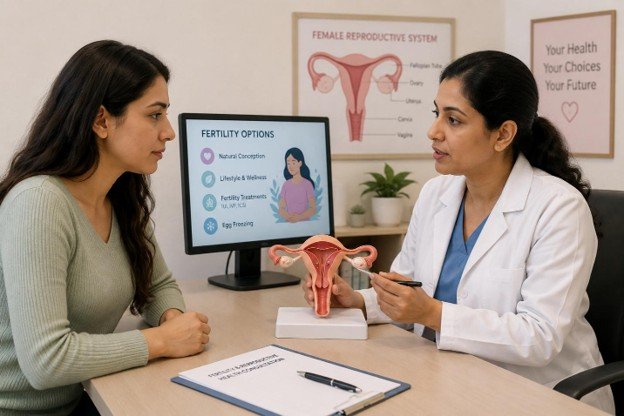
Fertility and family planning are often overlooked topics in menopause-related content, despite being important concerns for many women approaching this stage of life.
Although fertility naturally declines with age, pregnancy may still be possible until menopause is complete. Women who wish to have children in the future should discuss fertility planning and reproductive health options with their doctor as early as possible.
Questions commonly asked include:
- Can I still conceive naturally?
- When does fertility significantly decline?
- Should I consider fertility preservation options?
How do menopausal symptoms affect reproductive health?
Long-Term Health Considerations
Menopause affects more than just reproductive health. As estrogen levels decline, women may face increased risks related to:
- Bone Health: Reduced estrogen levels can contribute to bone loss, increasing the risk of osteoporosis and fractures over time.
- Heart Health: Hormonal changes during menopause may affect cardiovascular health and may increase the risk of heart disease.
- Weight Management: Many women notice changes in metabolism during and after menopause, making weight management more challenging.
- Vaginal and Sexual Health: Symptoms such as vaginal dryness, irritation, and discomfort during intercourse can affect quality of life and intimate relationships.
These risks do not mean that health problems are inevitable, but they highlight the importance of preventive care, regular health screenings, and healthy lifestyle habits during and after menopause.
When Should You Consult a Gynecologist?
You should consider a medical evaluation if:
- Periods stop unexpectedly before age 45
- Hot flashes become severe
- Symptoms affect your daily routine
- Sleep problems persist
- Mood changes become difficult to manage
- You have concerns about fertility
Seeking advice early can help identify underlying causes and provide reassurance where needed.
Menopause at 42 can bring many questions about your present and future health. Early guidance can help you understand your options and make informed decisions with confidence.
Managing Menopause at 42
Treatment varies based on symptoms, overall health, and individual preferences.
Management strategies may include:
- Regular exercise
- Balanced nutrition
- Adequate sleep
- Stress management techniques
- Hormone therapy when appropriate
- Routine health screenings
A personalized approach often provides the best outcomes.
“There is no one-size-fits-all approach to menopause. Management should be tailored to a woman’s symptoms, lifestyle, and long-term health goals.”
— Dr. Bhoomika Jain
Final Thoughts
Menopause at 42 can feel unexpected, but it is a transition that many women successfully navigate with the right support and information. Understanding the physical, emotional, and long-term health aspects of menopause allows women to make informed decisions and prioritize their well-being during this stage of life.
FAQs
1. Is menopause at 42 normal?
Menopause at 42 is earlier than the average age but can occur naturally in some women.
2. What are the first signs of menopause at 42?
Irregular periods, hot flashes, night sweats, sleep disturbances, and mood changes are common early symptoms.
3. Can menopause at 42 affect fertility?
Yes. Fertility declines with age, and menopause marks the end of natural reproductive potential.
4. Should I be concerned if my periods stop at 42?
It is advisable to consult a healthcare professional to determine whether menopause or another condition is responsible.
5. Can lifestyle changes help manage menopausal symptoms?
Yes. Exercise, balanced nutrition, stress management, and adequate sleep can help support overall well-being during menopause.