
IVF Treatment in Marine Lines: Advanced Fertility Care to Help You Achieve Parenthood
Infertility can affect both men and women due to several factors such as age-related fertility decline, hormonal concerns, blocked fallopian tubes, low sperm count, endometriosis, or unexplained infertility. With advancements in reproductive medicine, treatments like In Vitro Fertilization (IVF) have helped many couples overcome these challenges and move closer to achieving parenthood.
Dr. Bhoomika Jain, an acclaimed IVF specialist in Marine Lines, believes, “Every fertility journey is unique, and treatment should always be planned according to an individual’s medical condition, emotional needs, and reproductive goals. IVF is not just a procedure; it is a carefully planned pathway towards building a family.”
Dr. Bhoomika Jain offers personalized fertility solutions through advanced reproductive techniques. With her expertise in obstetrics, gynecology, and Assisted Reproductive Techniques (ART), she provides comprehensive IVF treatment in Marine Lines with a focus on safe procedures, transparent communication, and patient-centered care.
Fertility challenges can feel overwhelming, but modern treatments provide new possibilities. Let’s understand how IVF can support couples facing different infertility concerns.
How IVF Treatment Helps Couples Overcome Infertility
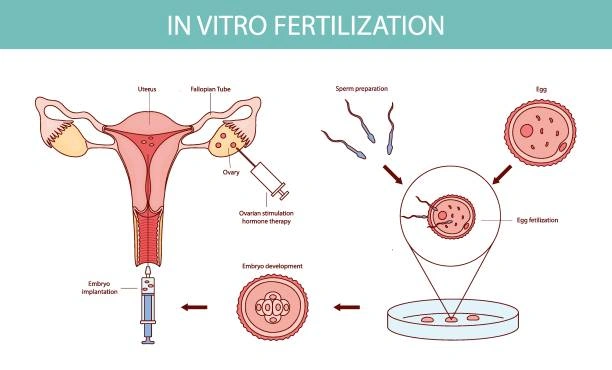
IVF treatment helps couples conceive by combining eggs and sperm outside the body in a controlled laboratory environment. Once fertilization occurs and healthy embryos develop, the selected embryo is transferred into the uterus to support pregnancy.
This fertility treatment can help overcome several reproductive challenges, including blocked fallopian tubes, reduced ovarian reserve, male infertility factors, genetic concerns, and unexplained infertility. IVF also provides an option for couples who have not achieved pregnancy through other fertility treatments.
IVF is one of the most advanced fertility treatments available today. Here’s how this procedure helps overcome barriers to natural conception.
What is IVF Treatment?
In Vitro Fertilization, commonly known as IVF, is an assisted reproductive technique where eggs are collected from the ovaries and fertilized with sperm in a laboratory. The resulting embryos are monitored for development before transferring the healthiest embryo into the uterus.
The IVF procedure involves multiple carefully monitored stages, including ovarian stimulation, egg retrieval, fertilization, embryo development, and embryo transfer. Each stage is performed under expert supervision to improve safety and effectiveness.
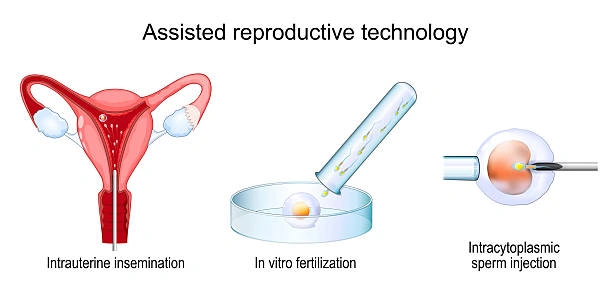
IVF may involve conventional fertilization or Intracytoplasmic Sperm Injection (ICSI), where a single sperm is directly injected into an egg to improve fertilization chances in selected cases.
Wondering if IVF is suitable for your situation? Here are some common conditions where IVF may be recommended.
Who Can Benefit from IVF Treatment?
IVF treatment may benefit couples experiencing:
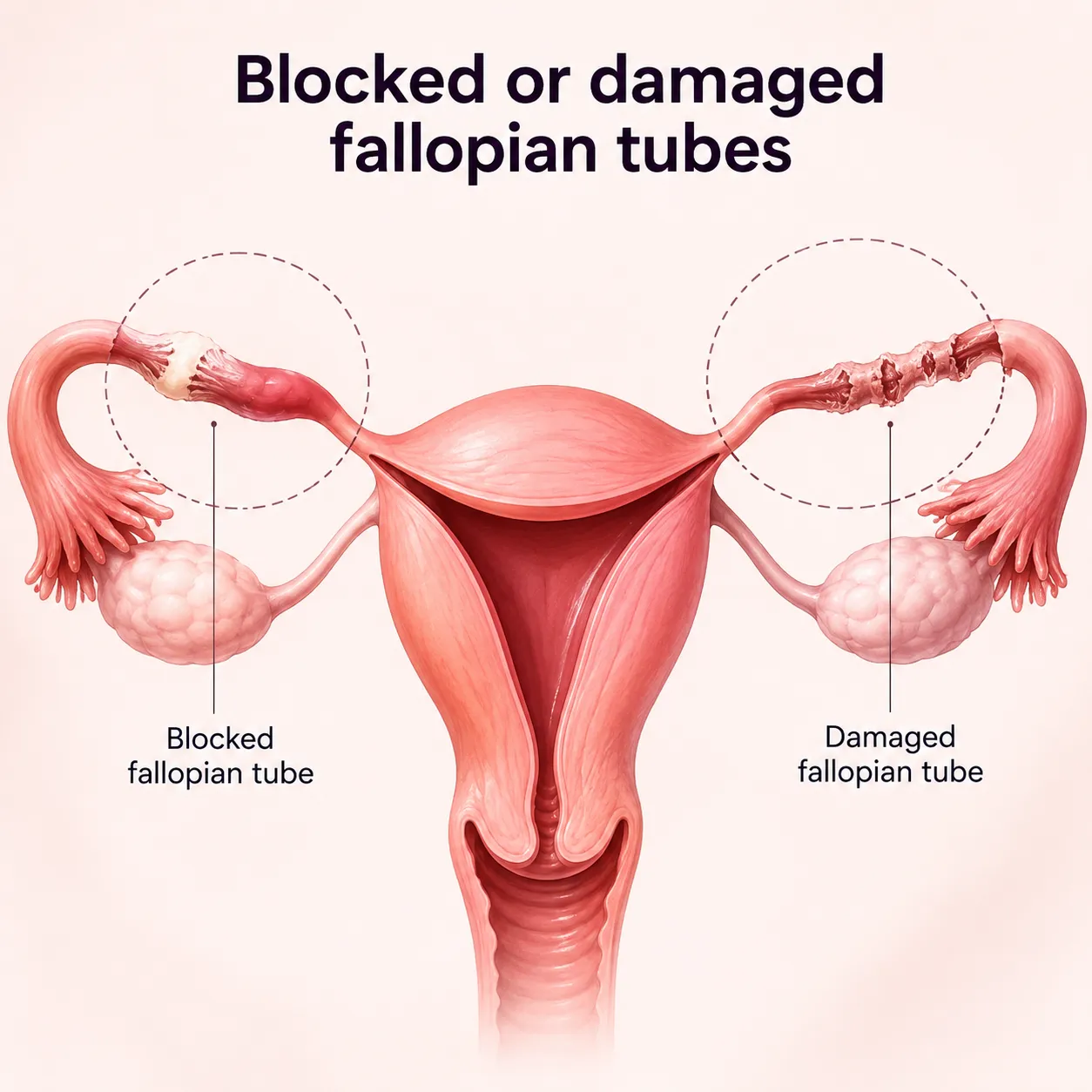
Blocked or damaged fallopian tubes
IVF bypasses the fallopian tubes by fertilizing eggs outside the body.
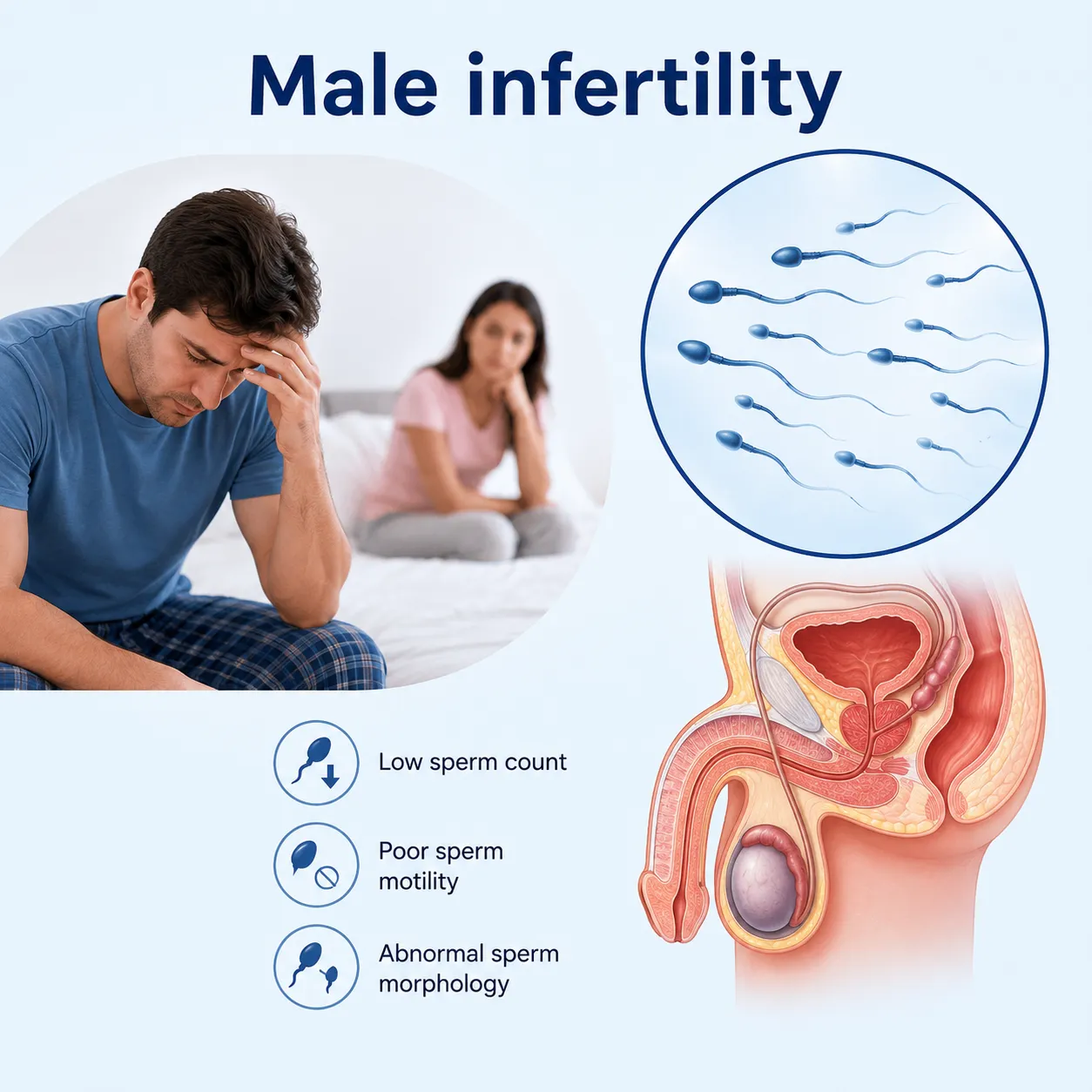
Male infertility
Couples with low sperm count, reduced sperm movement, or abnormal sperm quality may benefit from IVF or ICSI.
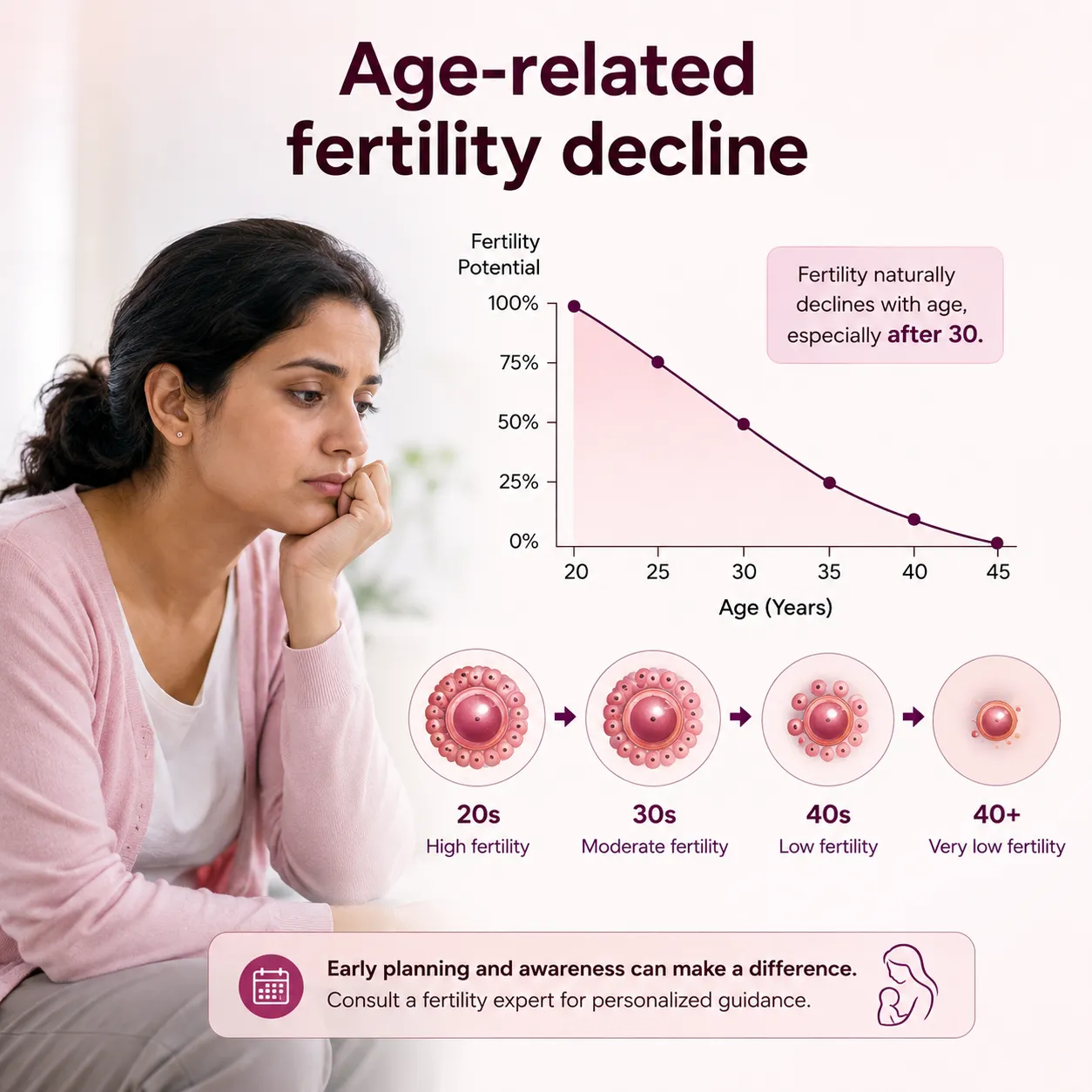
Age-related fertility decline
IVF can help improve chances of conception when ovarian reserve or egg quality decreases.
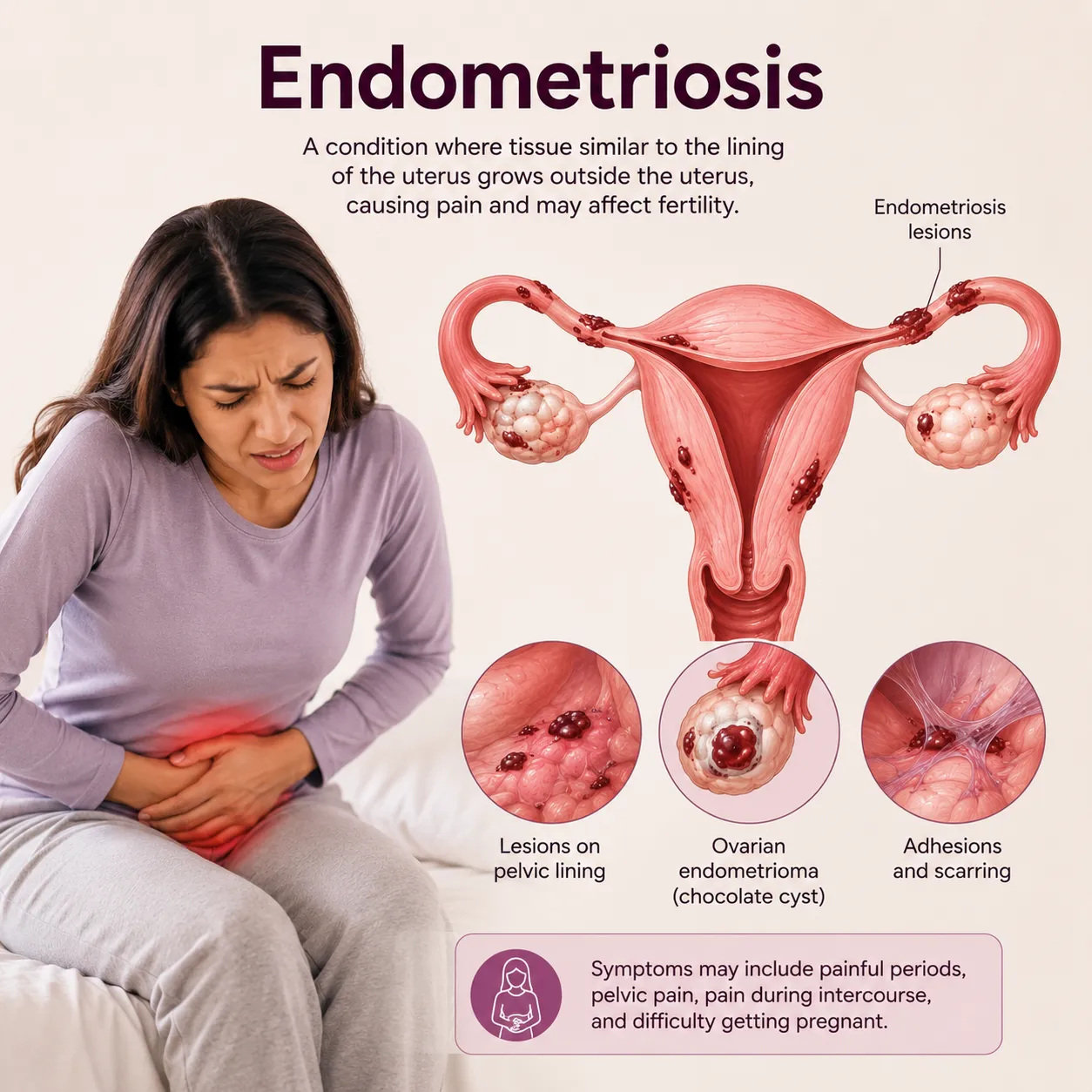
Endometriosis
IVF may help couples where endometriosis affects natural conception.
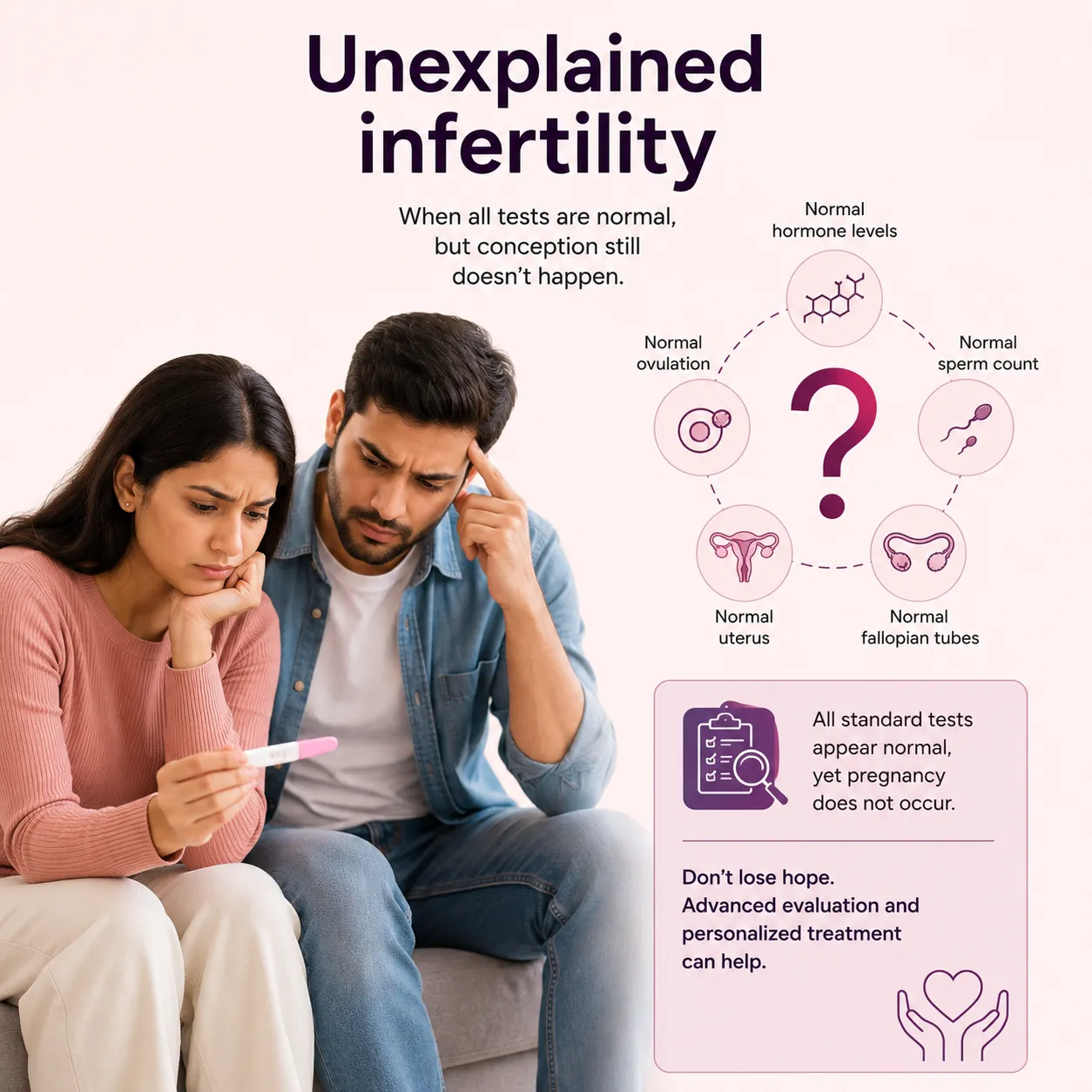
Unexplained infertility
IVF provides an option when no specific cause is identified despite evaluation.
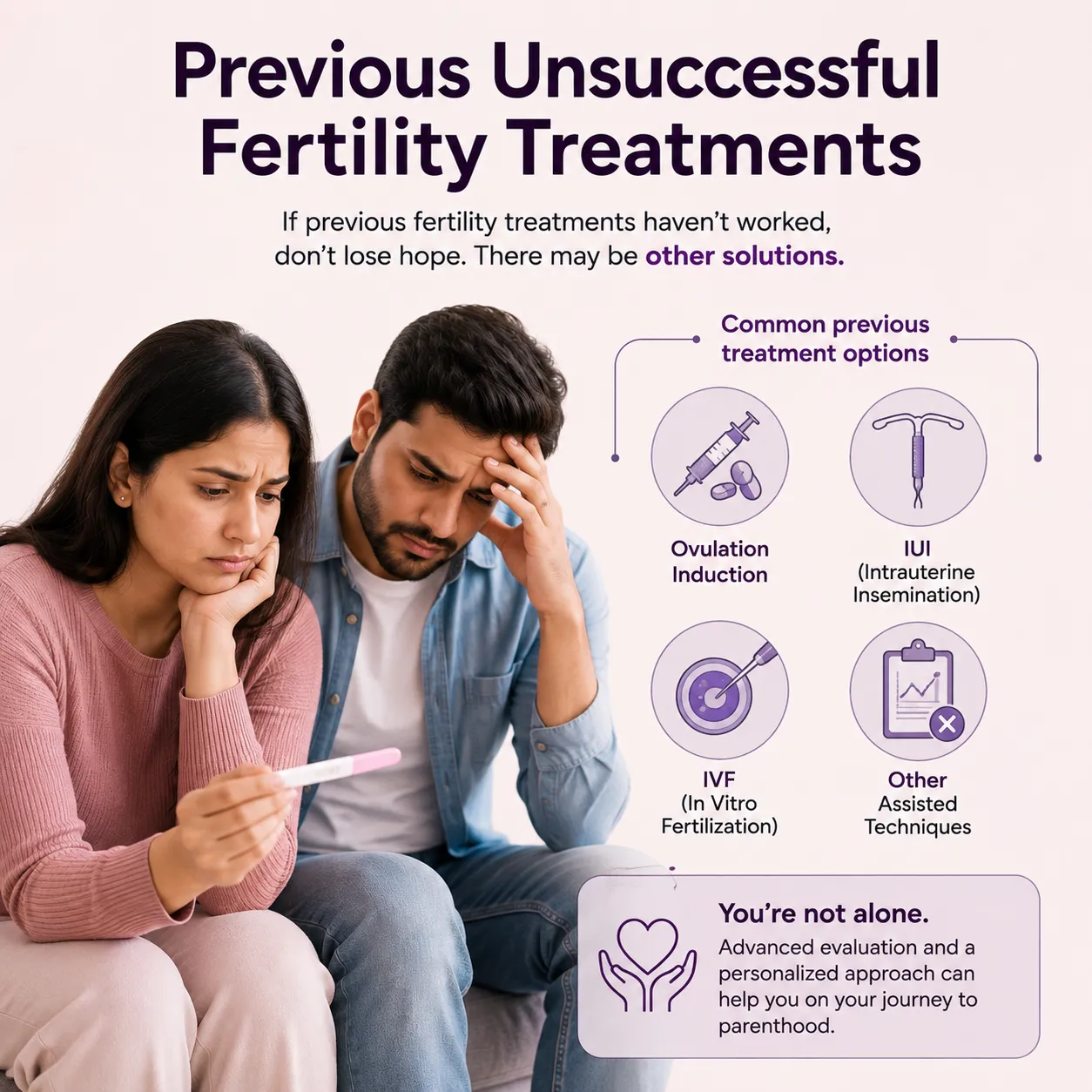
Previous unsuccessful fertility treatments
Couples who have not conceived through other methods may consider IVF.
A detailed fertility assessment helps determine whether IVF is the right fertility treatment based on individual circumstances.
IVF involves multiple stages, and knowing each step can make the process easier to understand. Let’s look at how the IVF procedure progresses from evaluation to embryo transfer.
Step-by-Step IVF Treatment Process
Initial Fertility Assessment
The IVF journey begins with a detailed fertility evaluation to understand the factors affecting conception.
This includes:

Medical History
The doctor reviews menstrual history, previous pregnancies, medical conditions, lifestyle factors, and previous fertility treatments.
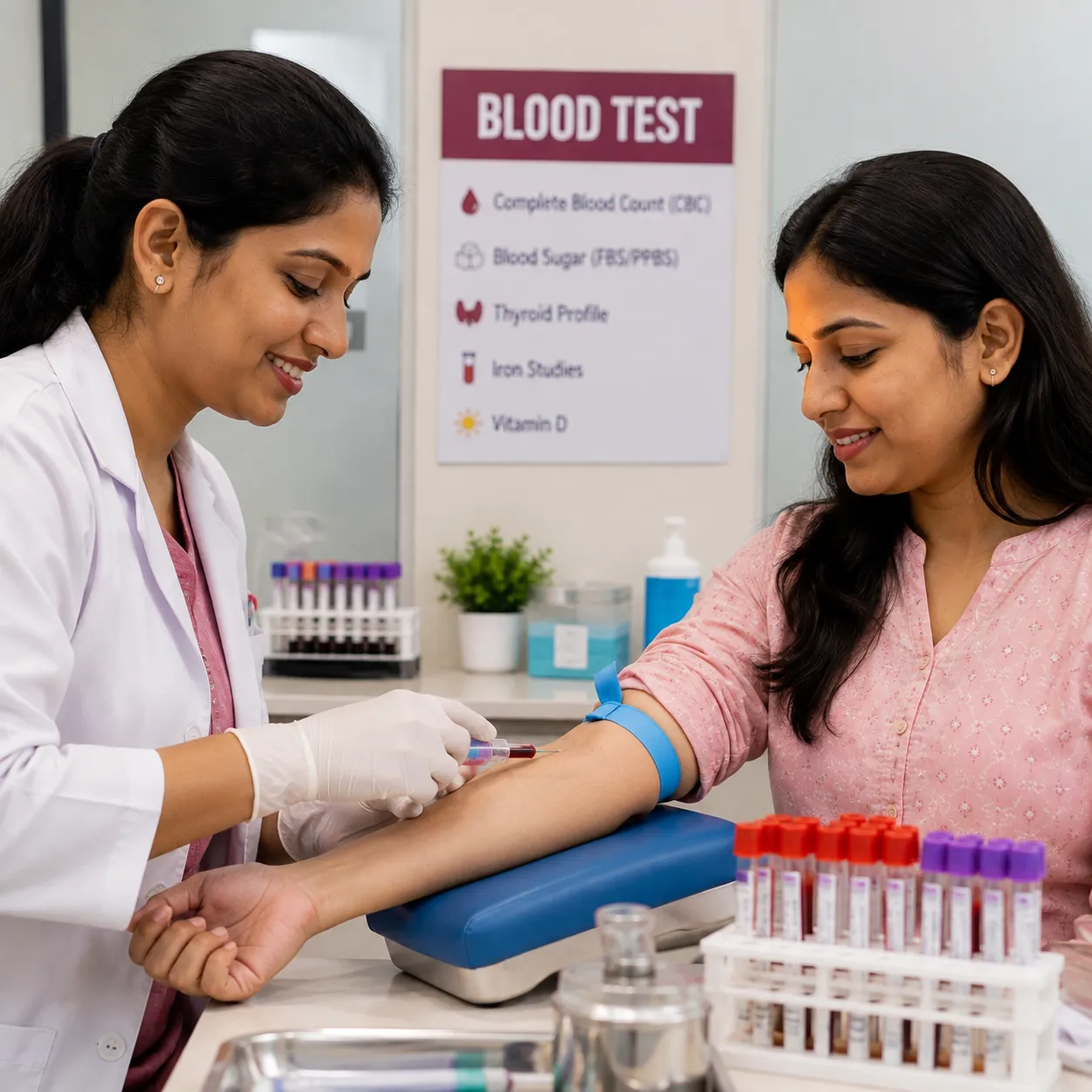
Blood Tests
Hormonal tests help evaluate ovarian reserve, reproductive hormone levels, and overall health.
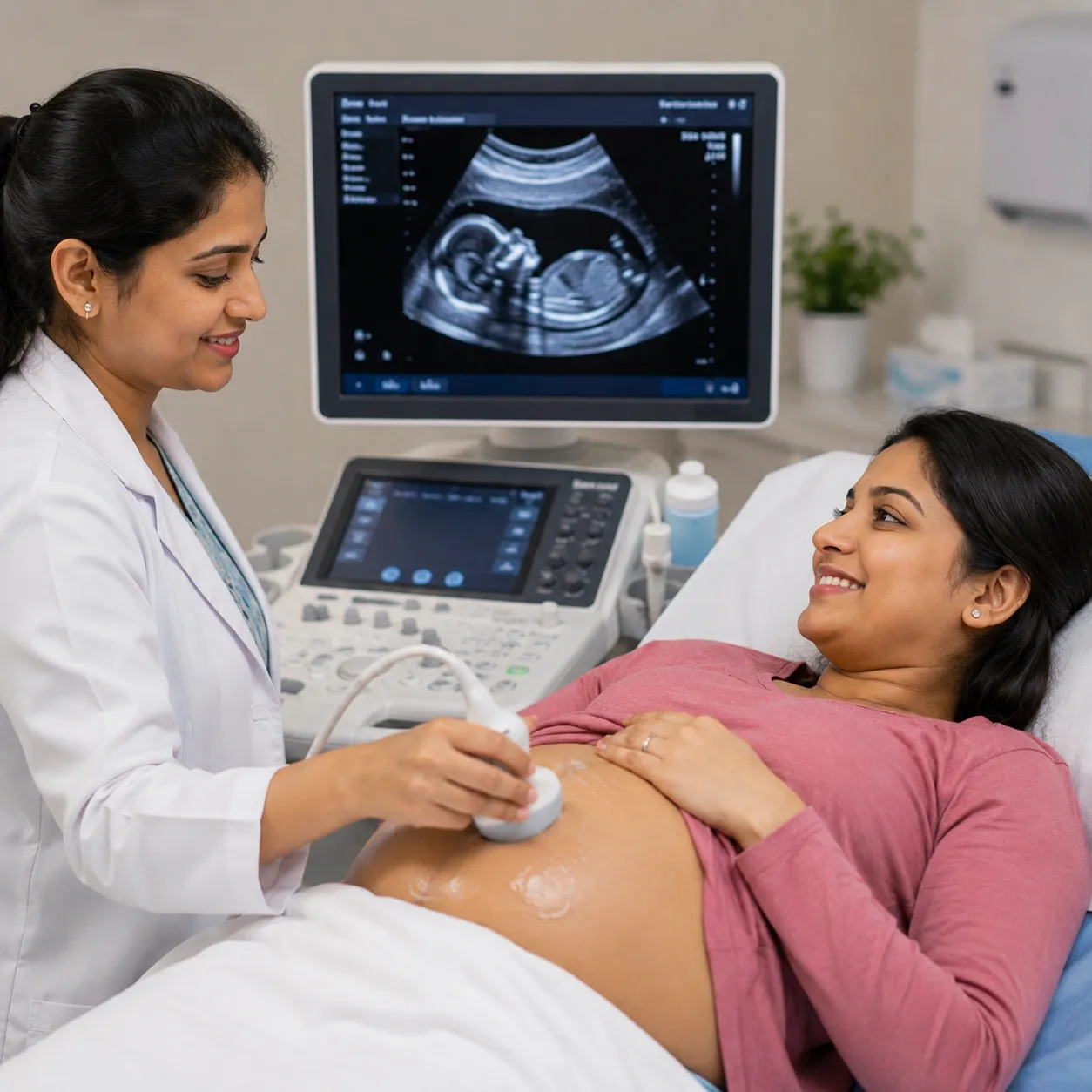
Ultrasound
Pelvic ultrasound helps assess the uterus, ovaries, follicle count, and reproductive health.

Semen Analysis
Male fertility evaluation checks sperm count, movement, and quality to determine the appropriate fertilization method.
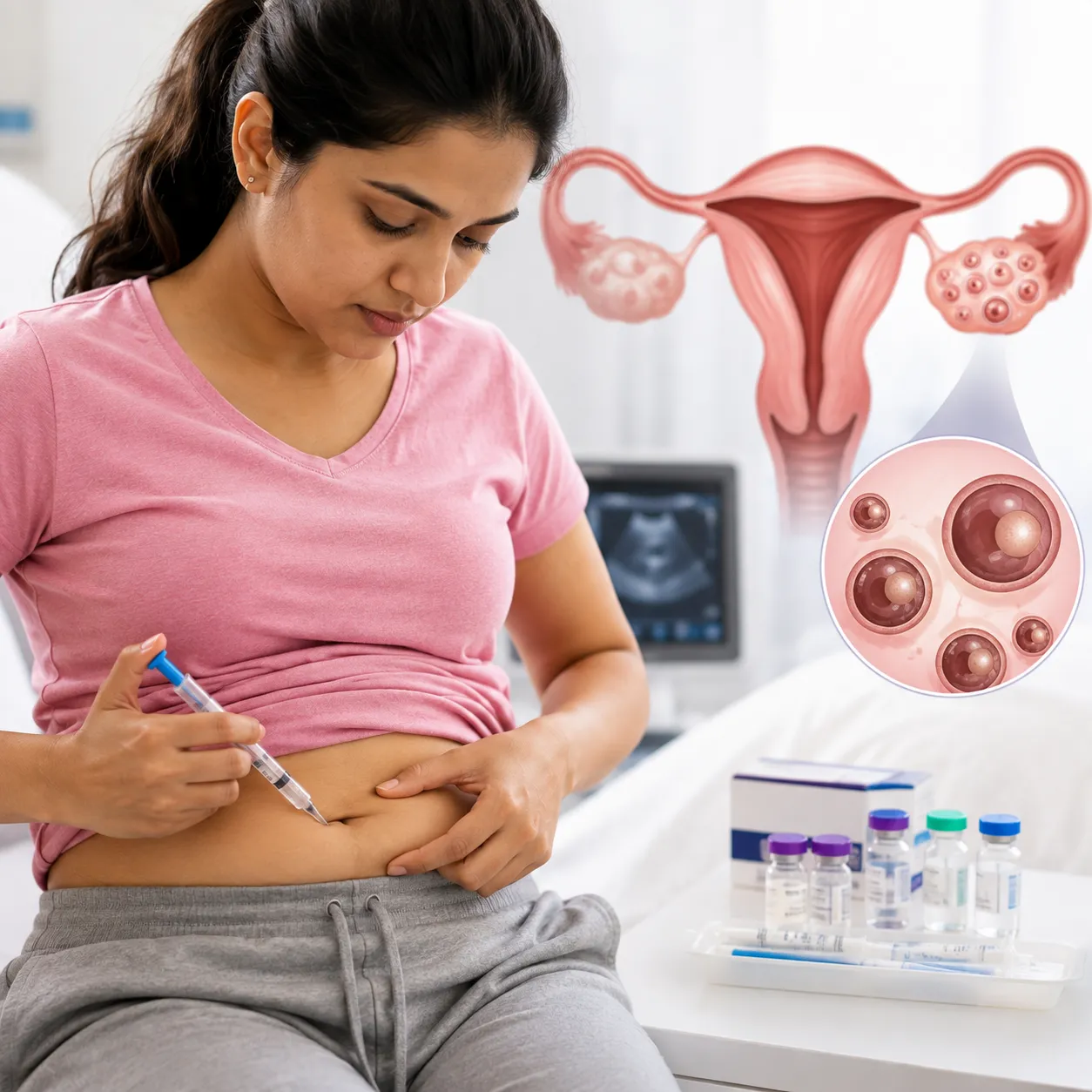
Ovarian Stimulation
During this stage, fertility medications are prescribed to stimulate the ovaries and encourage the development of multiple mature eggs.
Regular monitoring through ultrasound and hormone testing helps track follicle growth and determine the ideal timing for egg retrieval.
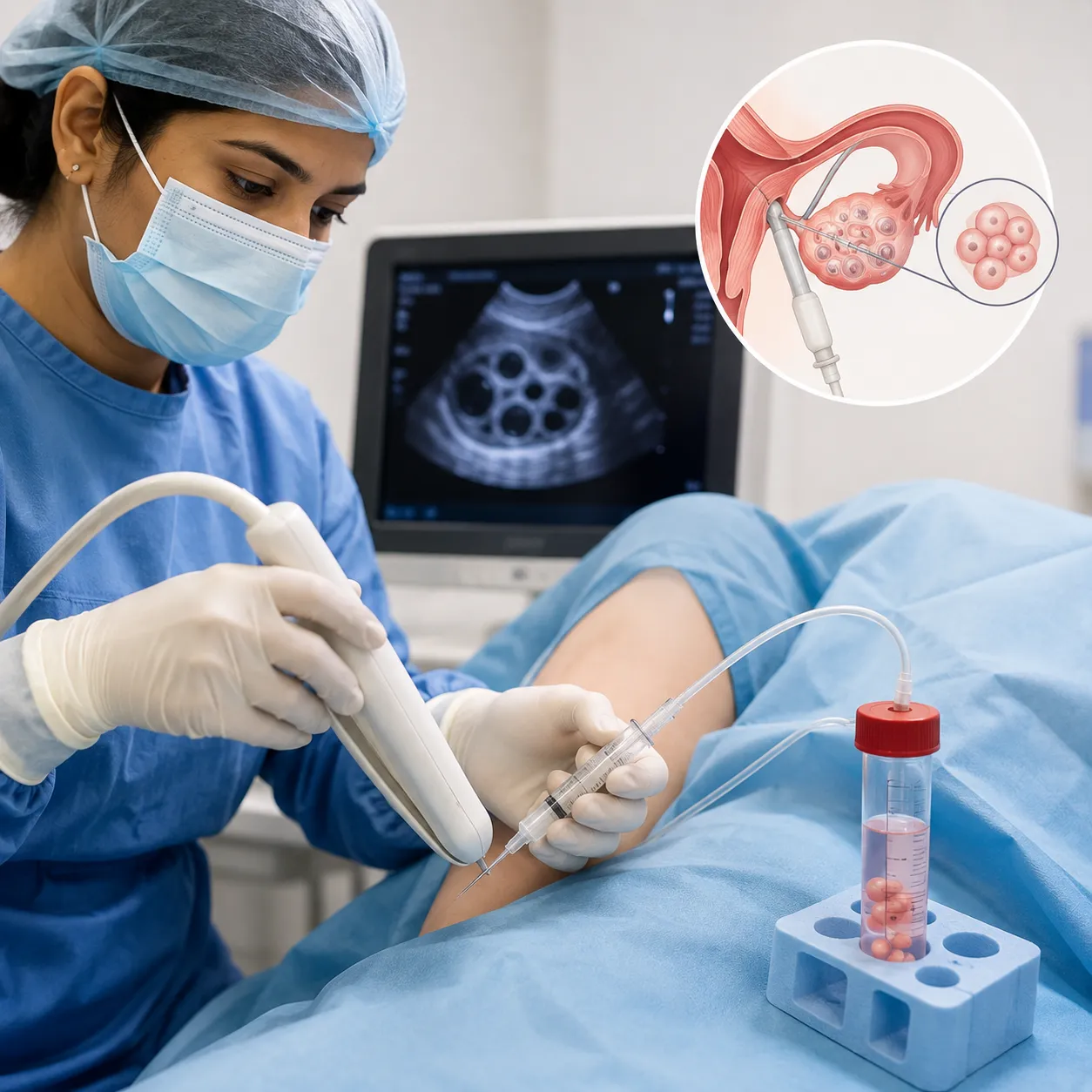
Egg Retrieval
Egg retrieval is a minimally invasive procedure performed under sedation.
A specialist uses ultrasound guidance to collect mature eggs from the ovaries. The procedure is usually completed within a short duration, and patients can typically return home after monitoring.
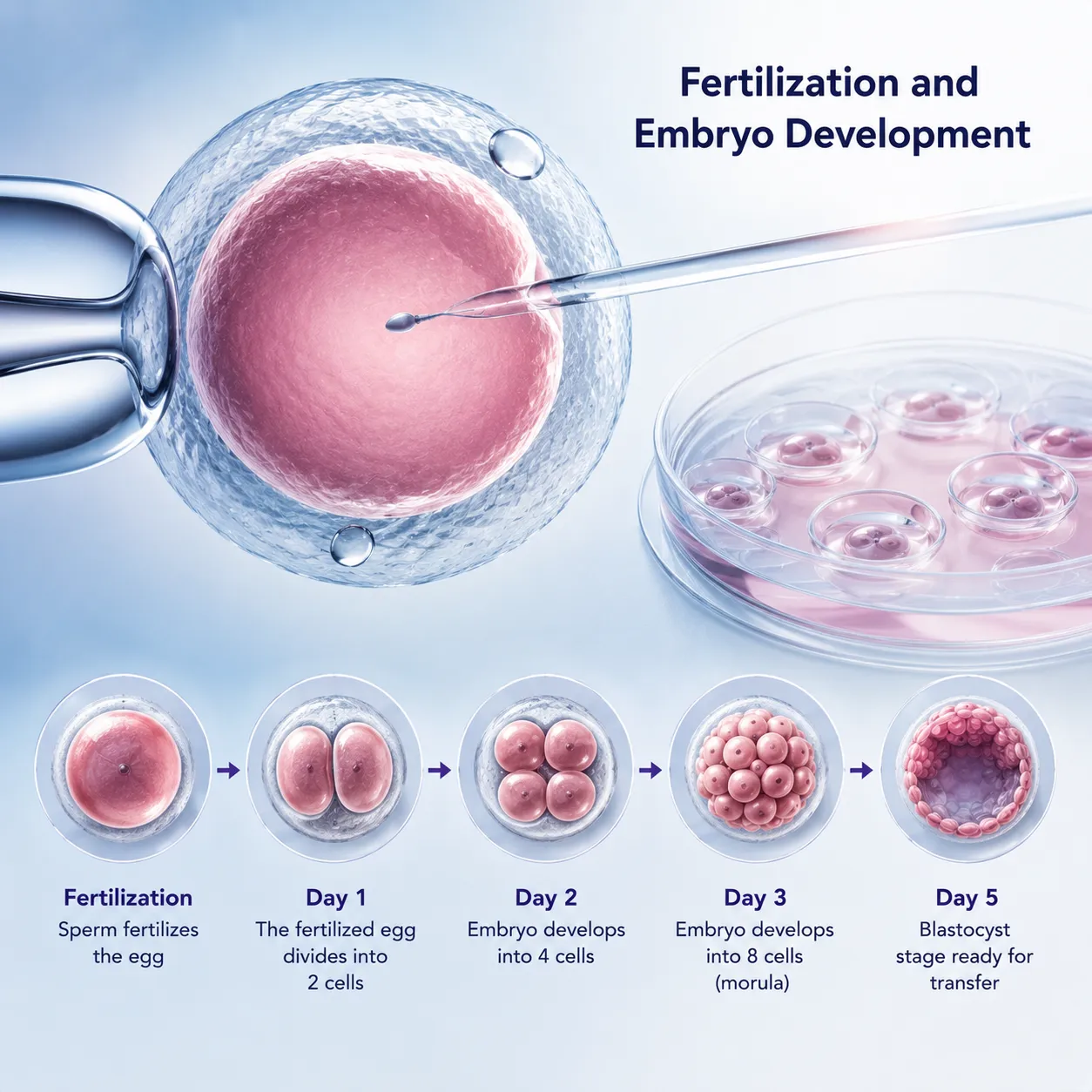
Fertilization and Embryo Development
Collected eggs are combined with sperm in a laboratory to achieve fertilization.
Depending on the fertility condition, conventional IVF or ICSI may be used. Embryos are monitored for growth, quality, and development before selecting the healthiest embryo for transfer.
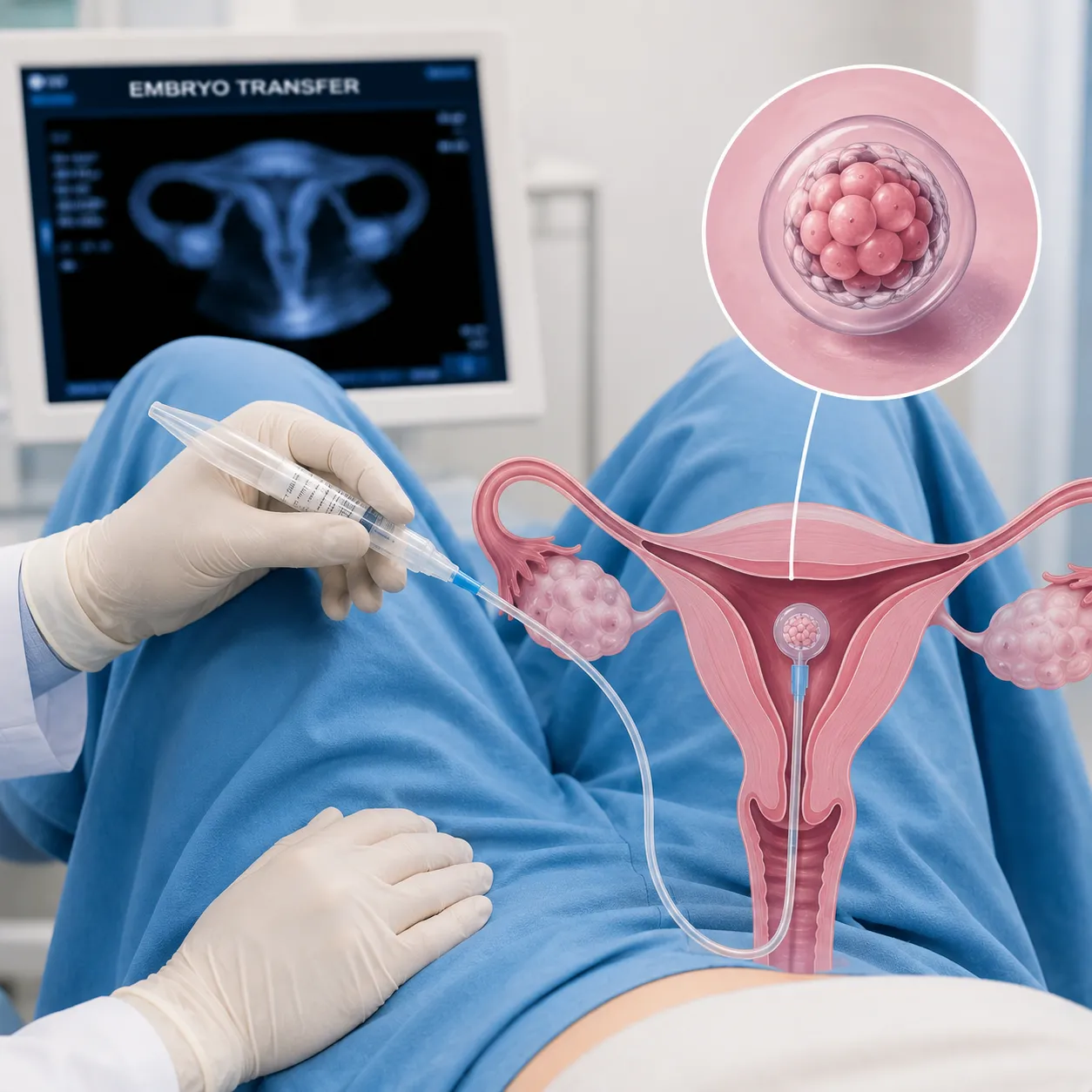
Embryo Transfer
Embryo transfer is a simple outpatient procedure where the selected embryo is placed into the uterus.
After transfer, patients receive guidance regarding medications, lifestyle precautions, and follow-up testing to support implantation and early pregnancy.
Dr. Bhoomika Jain, a noted IVF doctor in Marine Lines, says, “Successful fertility care requires patience, precision, and emotional support. My goal is to make every couple feel informed and supported throughout their IVF journey.”
A well-planned IVF journey begins with the right evaluation and support. Connect with an IVF specialist to take the next step toward parenthood.
Success is influenced by several factors, not just the procedure itself. Understanding these factors helps set realistic expectations.
What is the Success Rate of IVF Treatment?
The IVF success rate depends on factors such as maternal age, egg quality, sperm quality, embryo health, uterine condition, and overall medical history. Younger patients with good ovarian reserve generally have higher chances of success.
Advanced laboratory techniques, proper embryo selection, and personalized treatment planning can improve outcomes. Regular monitoring throughout the IVF procedure helps optimize each stage of treatment.
A fertility specialist evaluates individual factors to provide a realistic understanding of expected outcomes.

Benefits of IVF Treatment
IVF has helped many couples overcome complex fertility challenges. Here are some important advantages of this advanced fertility treatment:
Helps couples with various infertility causes achieve pregnancy
Provides an option for blocked fallopian tubes
Supports treatment for male infertility factors
Allows embryo screening in selected cases
Offers fertility preservation options
Provides hope for couples with unexplained infertility
Enables personalized fertility planning

IVF provides a scientifically supported approach where every stage can be carefully monitored and managed.
Risks and Possible Side Effects of IVF
Like every medical procedure, IVF requires proper understanding and preparation. Knowing possible risks helps couples make informed choices.
Possible side effects of IVF may include:
Mild bloating or abdominal discomfort after ovarian stimulation
Mood changes due to hormonal medications
Temporary discomfort after egg retrieval
Multiple pregnancy risks in certain cases
Ovarian hyperstimulation syndrome (OHSS), which is uncommon with proper monitoring
Temporary fatigue or tiredness related to hormonal medications
Working with a skilled IVF doctor helps minimize risks through careful medication planning and regular monitoring.
How Should You Prepare for IVF Treatment?
Preparation can make your IVF experience smoother and more manageable. Small lifestyle changes can support better treatment outcomes.
Before starting IVF, couples should:
Maintain a balanced diet
Avoid smoking and excessive alcohol consumption
Manage stress through relaxation techniques
Follow prescribed medications regularly
Attend all monitoring appointments
Maintain healthy weight levels
Discuss existing medical conditions with the doctor

Emotional preparation is equally important, as fertility treatment can be physically and mentally demanding.
When Should You Consult an IVF Specialist?
Timing plays an important role in fertility care. Knowing when to seek help can prevent unnecessary delays.
Couples should consider consulting an IVF doctor if:
Pregnancy has not occurred after one year of regular unprotected intercourse
The woman is above 35 years and facing conception difficulties
There are known fertility issues
Previous fertility treatments have failed
There is a history of recurrent pregnancy loss
Early consultation helps identify concerns and allows timely fertility planning.

Conclusion
Every fertility journey is different, and the right guidance can make a meaningful difference. Advanced treatments like IVF provide new possibilities for couples hoping to become parents. Dr. Bhoomika Jain offers comprehensive fertility care by combining medical expertise, advanced ART training, and compassionate support.
Through personalized IVF treatment in Marine Lines, couples receive guidance throughout diagnosis, treatment planning, and the IVF procedure. With a patient-focused approach and advanced fertility techniques, she helps couples move forward with confidence on their journey toward parenthood.
Frequently Asked Questions:
1. What is IVF treatment?
IVF is a fertility treatment in which eggs are fertilized with sperm in a laboratory before the embryo is transferred into the uterus.
2. Who is a good candidate for IVF?
IVF may be recommended for couples with blocked fallopian tubes, severe male infertility, endometriosis, ovulation disorders, unexplained infertility, or repeated IUI failure.
3. What is the success rate of IVF?
The success rate depends on several factors, including age, embryo quality, fertility diagnosis, and overall reproductive health.
4. Is IVF treatment painful?
Most IVF procedures involve minimal discomfort. Egg retrieval is usually performed under sedation, while embryo transfer is generally painless.
5. How long does one IVF cycle take?
A complete IVF cycle typically takes about 4–6 weeks, depending on the individual’s treatment plan and response to medications.
6. What is the IVF treatment cost in Marine Lines?
The cost of IVF treatment in Marine Lines depends on medications, tests, procedures, and individual fertility requirements.
7. How many IVF cycles are needed to get pregnant?
Some couples conceive in the first cycle, while others may require multiple attempts depending on their fertility condition.
8. What is the difference between IVF and IUI?
IVF involves fertilization outside the body in a laboratory, while IUI involves placing prepared sperm directly into the uterus.
9. Can IVF help with male infertility?
Yes, IVF with techniques like ICSI can help couples facing male infertility concerns.
Disclaimer: The information shared in this content is for educational purposes and not for promotional use.