
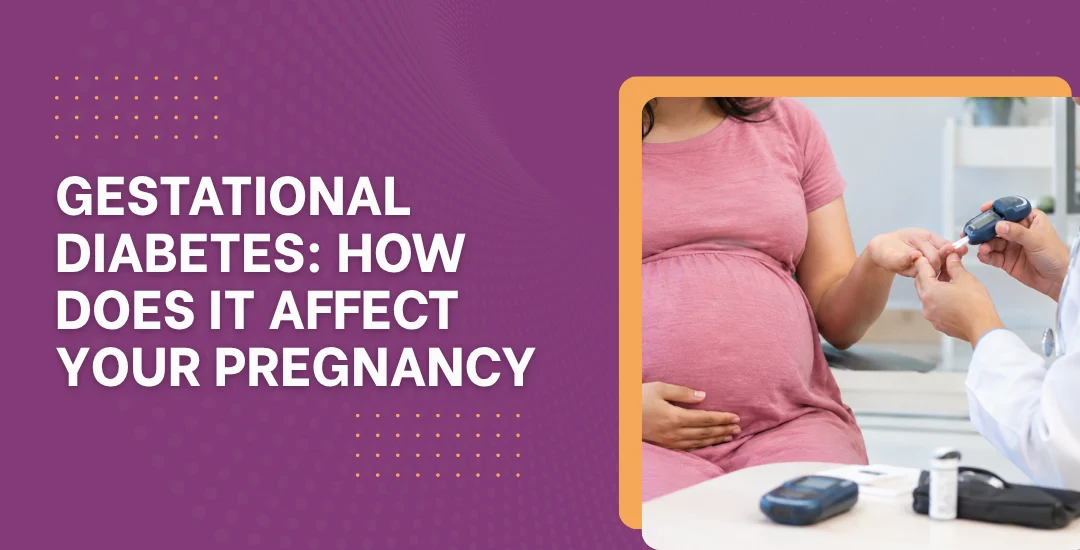
Gestational diabetes is the name for high blood sugar that appears during pregnancy in a woman with no earlier history of diabetes. And the source? It’s the placenta. The hormones it releases as it grows get in the way of insulin, and once insulin stops working properly, blood sugar starts to rise. Left alone, that takes a toll on mother and baby alike. Bring it under control, however, and nearly all women with a gestational diabetes pregnancy deliver healthy babies without much trouble at all. It all comes down to control, and control is entirely achievable.
According to Dr. Bhoomika Jain, one of the leading gynecologist in Marine Lines, “A gestational diabetes diagnosis worries a lot of women more than it needs to. Kept in range with diet and monitoring, the vast majority have completely normal pregnancies and healthy babies.”
How Does Gestational Diabetes Affect Mother and Baby?
Any sugar left uncontrolled reaches the baby too, and that’s exactly why early action matters.
- Larger birth weight: That surplus glucose travels to the baby and gets stored as fat, which can leave the baby larger than average and the delivery more difficult.
- Higher blood pressure risk: On the mother’s side, gestational diabetes raises the likelihood of high blood pressure and preeclampsia developing as the pregnancy goes on.
- Newborn blood sugar dips: When a mother’s sugar runs high, her baby may drop low on blood sugar soon after birth, so those early hours call for close watching.
- Later diabetes risk: Further ahead, both mother and baby face a higher chance of type 2 diabetes, which is useful to be aware of early on.
Staying a step ahead of these risks really rests on structured pregnancy and antenatal care.
How Is Gestational Diabetes Managed During Pregnancy?
Most women manage it without medication at all. A few steady habits do the work.
| Management Step | What It Does |
| Balanced diet | Steadies blood sugar levels |
| Regular monitoring | Tracks glucose through the day |
| Physical activity | Improves insulin response |
| Insulin if needed | Controls stubborn high sugar |
- Dietary changes: Cut down on refined carbs and space your meals out through the day. Blood sugar stays level that way, and for most women nothing more is needed.
- Blood sugar monitoring: Checking glucose at fixed points each day shows whether the plan is working or needs adjusting, so nothing slips by unnoticed.
- Regular movement: A daily walk is often enough to help the body handle insulin better, and sugar levels ease down with no medication involved.
- Insulin when required: If diet and activity don’t quite get there, insulin steps in safely, without any harm to the baby, and brings the numbers back into range.
Because insulin resistance often sits behind both conditions, anyone who’s dealt with PCOD will find the earlier piece on PCOD cure and management worth reading alongside this.
Why Choose Dr. Bhoomika Jain?
Dr. Bhoomika Jain brings more than nine years across obstetrics, gynecology, and reproductive health, together with a Fellowship in Assisted Reproductive Techniques from KEM Hospital, Mumbai. The management plan gets shaped around your own readings and your daily routine, with diet and monitoring leading the way before anything stronger is considered. She talks each step through plainly, and medication only enters the picture when it’s truly needed.
Just diagnosed with gestational diabetes and unsure what comes next? A management plan is the first step.
FAQs
Does gestational diabetes go away after birth?
In most women it clears once the baby is delivered, as sugar levels tend to settle back to normal. A follow-up test afterward is still a sensible idea.
Can I have a normal delivery with gestational diabetes?
Quite often, yes. With sugar kept well in range, a good number of women go through a normal delivery and no complications along the way.
What foods should I avoid with gestational diabetes?
Ease off sugary drinks, sweets, and refined carbs. Pairing protein with fibre at each meal holds your sugar much steadier through the day.
Will gestational diabetes harm my baby?
Not while it’s managed well. Keeping sugar in range holds most of the risks down, and the vast majority of babies are born healthy.
References:
Disclaimer: This blog is for general educational purposes only and is not a substitute for professional medical advice; please consult your doctor for personal care.